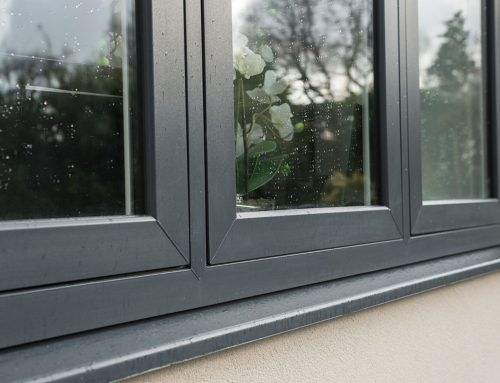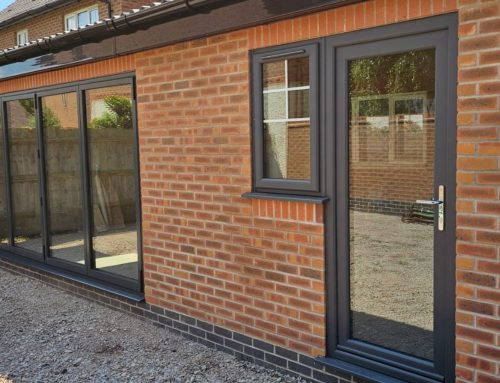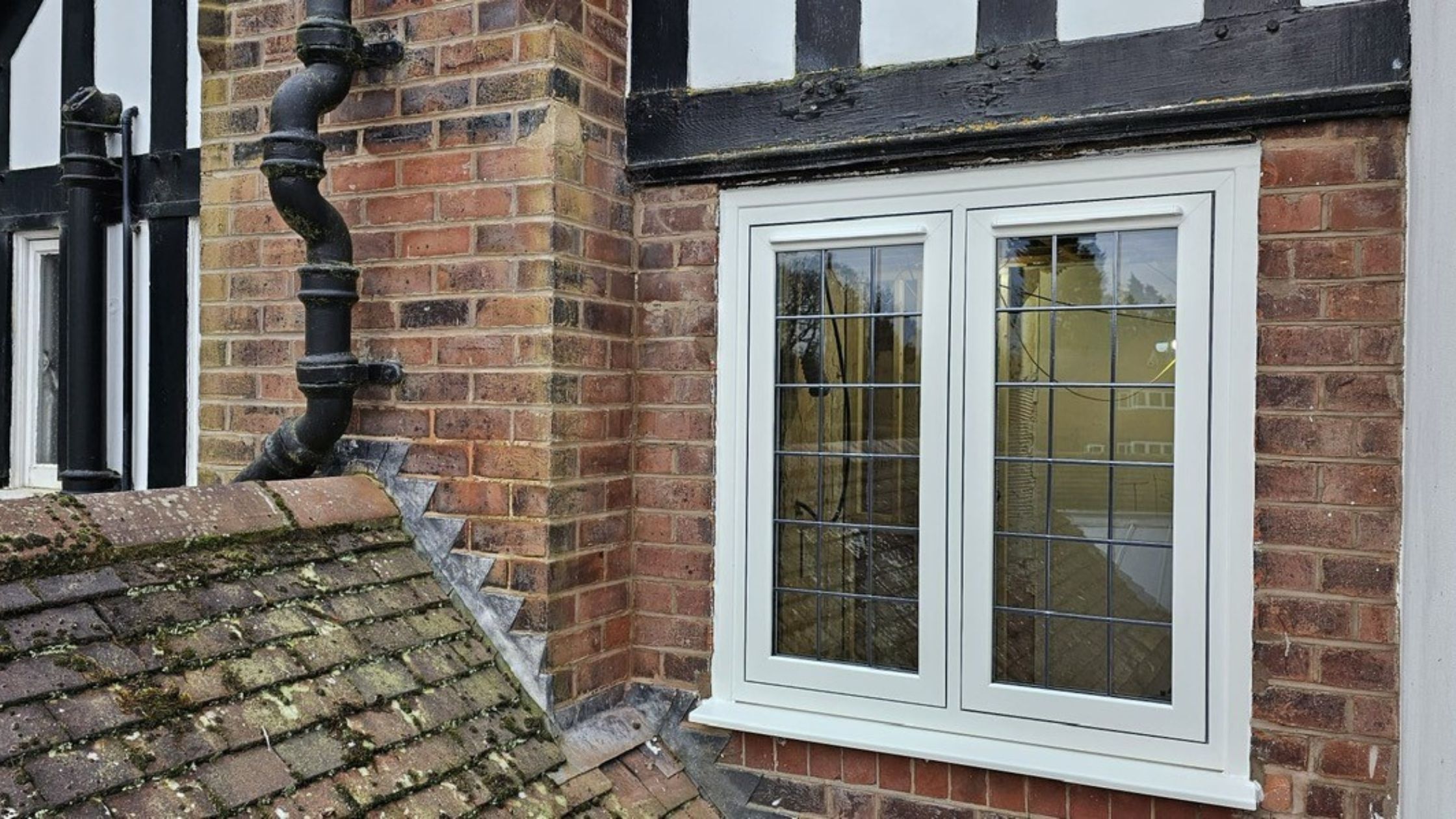
One of the reasons UPVC flush casement windows have become so popular is that they’re incredibly easy to look after. They offer the traditional appearance many homeowners love, but without the ongoing maintenance that comes with timber frames. That doesn’t mean you can completely forget about them altogether, though.
Like anything around the home, a little attention now and again can go a long way. Regular cleaning and a few simple checks throughout the year will help keep your windows looking their best and working smoothly for years to come. Whether you have classic white frames, stylish grey flush casement windows, or realistic timber-look flush casements, the good news is that looking after them is pretty straightforward.
Why are UPVC flush casement windows so easy to maintain?
Compared to traditional timber windows, UPVC is remarkably low maintenance. You don’t need to worry about sanding, painting, staining or treating the frames every few years. The material is designed to cope with the (unpredictable!) British weather, resisting rot, warping and corrosion even after years of exposure to rain, wind and sunshine.
That’s one of the biggest selling points of flush casement windows. They deliver the clean, elegant appearance homeowners want without creating a lengthy maintenance checklist. Still, giving them a quick clean every so often helps prevent dirt build-up and keeps them looking fresh.
How to clean UPVC windows without damaging them
The best thing about cleaning flush sash windows is that you don’t need any specialist products. A bucket of warm water, a little washing-up liquid and a soft cloth are usually all that’s required.
Start by wiping down the frames, paying attention to any areas where dirt tends to collect. Over time, dust, pollen and general grime can build up around the edges of the sash and frame, particularly on windows that face busy roads. Try to avoid anything abrasive. Harsh chemicals and scouring pads can damage the surface finish, especially on coloured or woodgrain designs.
Once you’ve cleaned the frames, move on to the glass. A standard glass cleaner works perfectly well, or you can use a simple mix of vinegar and water if you prefer. Finish with a microfibre cloth to leave the glass streak-free. It’s a quick job, but it can make a huge difference to how your windows look from both inside and outside the property.
Don’t forget the moving parts!
The frames may be low maintenance, but the hinges, handles and locking mechanisms still benefit from a little care.
Apply a small amount of silicone lubricant to the hinges and moving parts to keep everything operating smoothly. You don’t need much, a light application is all that’s required. We recommend doing this about twice a year. And while you’re there, it’s worth double checking the handles and locks. If anything feels stiff, loose or awkward to operate, it’s worth investigating before it becomes a bigger issue.
Another area that’s often overlooked is the drainage channels. These small openings allow rainwater to escape from the frame. Leaves, dust and debris can sometimes block them, so give them a quick check whenever you’re cleaning the windows.
Seasonal checks can prevent bigger problems
Windows naturally expand and contract as temperatures change throughout the year. During winter, keep an eye out for draughts, damaged seals or signs of condensation. If you notice moisture trapped between the panes of a double-glazed flush casement window, it could indicate that the sealed unit has failed and may need replacing.
In summer, particularly during periods of unusually hot weather, UPVC frames can expand slightly. Modern windows are designed with this in mind, but extreme temperatures can occasionally make a window feel a little tighter than normal. If that happens, avoid forcing it. Often, once temperatures drop, everything returns to normal. Keeping hinges and mechanisms clean and lubricated can also help prevent issues.
Do coloured or timber-look UPVC window finishes need extra care?
Many people assume that timber-look flush casements require the same level of upkeep as real wood, but that’s not the case. Likewise, grey flush casement windows don’t need repainting or specialist treatments to maintain their colour.
The finish is built into a durable foil layer that’s designed to withstand everyday wear and exposure to the elements. As a result, the same cleaning routine applies regardless of the colour or style you’ve chosen.
Signs your windows might need attention
Even the highest-quality windows won’t last forever without some care. Fortunately, most problems give you warning signs before they become serious.
Keep an eye out for:
- Windows that are difficult to open or close
- Squeaking hinges
- Loose handles
- Water sitting around the frame
- Visible draughts
- Condensation trapped between glass panes
Catching these issues early is usually far cheaper and easier than waiting until a component fails completely.
Final thoughts
Because UPVC flush casement windows are so reliable, it’s easy to assume they’ll look after themselves. In reality, spending a few minutes cleaning the frames, checking the hardware and keeping drainage channels clear can help you avoid unnecessary repair costs later on.
Whether you’ve recently installed new windows or you’re researching flush casement window prices before investing, regular maintenance is one of the simplest ways to get the most from them.
If you’re considering UPVC flush windows for your home, why not have a chat with our team? We’ll provide a free, no-obligation quote and answer any questions you may have. Every installation is covered by a 10-year guarantee, so you can enjoy your new windows with complete peace of mind.