If you own a period or listed home, you know the struggle. You love the character and those charming original features, but you probably don’t love the rattling glass or how chilly your home gets during the winter.
The problem is, you can’t just replace them with any old windows, especially if you’re dealing with a listed building or a conservation area. That’s why UPVC flush casement windows have become such a popular choice. They offer a way to keep that traditional look without giving up modern comfort, efficiency, and security.
Do you need permission to change windows in listed and period properties?
The main issue with listed buildings is simply that you can’t just change things because you want to. Even replacing windows like-for-like can need approval, depending on the property.
And even if you’re not listed, conservation areas still tend to control how the outside of a house looks. So window style, colour, and even the way they open can all come under scrutiny. In most cases, the advice is the same; check first, then plan everything around that, not the other way round.
Why flush casement windows work well for listed and period properties
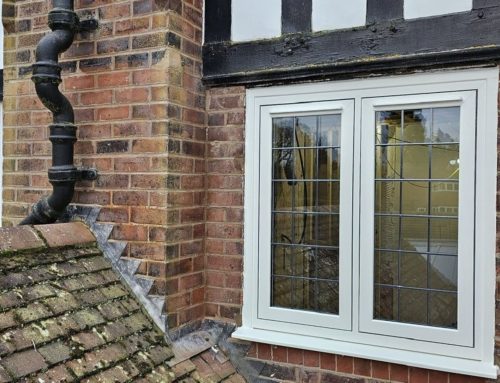
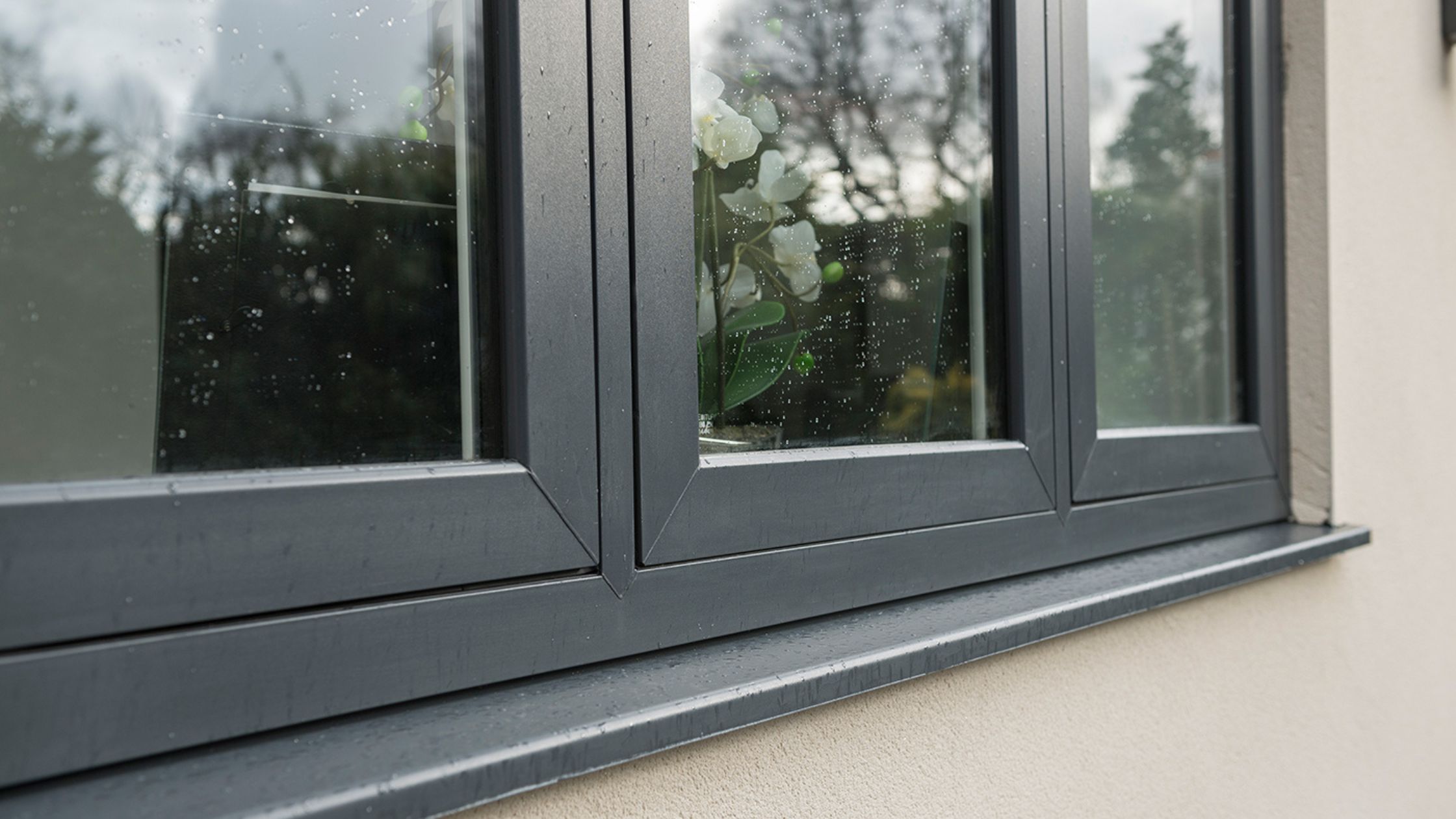
A lot of older homes originally had timber flush casement windows, so the style itself already feels very much at home in period architecture. Modern flush casement windows take that same idea and update it.
The main difference is actually what you don’t see! You get modern insulation, secure locking systems, and double glazing, but from the outside, the flat, clean face keeps that traditional feel. It’s one of the reasons they’ve become such a go-to option in conservation projects – they look the same as traditional windows but offer all the modern benefits.
Planning rules are becoming more flexible
Something that’s changed over the years is how some areas view replacement windows. There’s still a strong focus on appearance, but there’s also a growing understanding of performance and sustainability.
In certain areas where timber used to be the only acceptable option, well-made timber-look flush casements in UPVC are now being approved, especially when they closely match the original style. That shift has come about for a few reasons:
- Less ongoing maintenance
- Improved manufacturing that replicates timber more closely
It’s not a free-for-all of course, but there is more flexibility than there used to be.
Getting the look right makes the biggest difference
When it comes to approval, appearance is everything. A flush sash window can be tailored quite a bit depending on finish and colour, which makes a big difference in heritage settings. Typical approaches include:
- Woodgrain finishes for the closest timber effect
- Cream, heritage white, or green tones for traditional properties
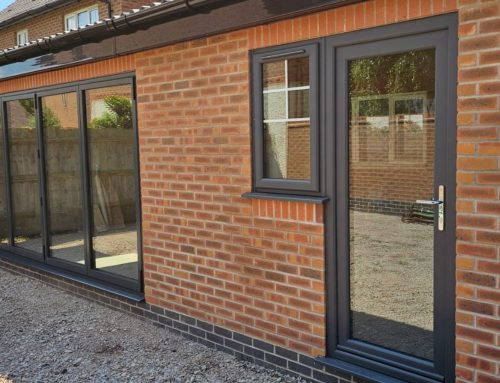
- Grey flush casement windows or darker finishes for more modernised period homes
The same window style can sit very differently depending on the finish you choose, so it’s worth taking time over samples rather than rushing that decision.
Traditional hardware options for flush casement windows
Hardware might seem like a small detail, but it plays a surprisingly noticeable role in how well the windows suit an older property. Traditional-style handles and darker finishes often help the windows feel more authentic, especially in conservation areas where detail matters. It’s one of those finishing touches that pulls everything together.
How much do flush casement windows cost?
There’s usually a small increase in price for this style. Flush casement windows tend to cost around 15–20% more than standard UPVC options. That said, the extra cost does come with a few long-term benefits that many homeowners find worthwhile:
- Better insulation, which can help reduce heating bills
- Much less maintenance compared to timber frames
- A more durable finish that holds up well over time
So while the upfront price is higher, a lot of people see it as a smart long-term investment rather than just an added expense.
The importance of getting planning permission
If there’s one thing that really helps a project go smoothly, it’s getting the planning details sorted early on. With listed buildings, you’ll almost always need consent whatever the work involves. In conservation areas, it’s a bit more case-by-case, so it’s definitely worth checking the local guidance before you commit to anything.
A simple approach that usually works well is:
- Get the requirements confirmed early
- Prepare clear visuals or product information
- Show how the new design sits alongside the existing style
When everything is clearly laid out, it’s usually much easier for decision-makers to understand what you’re aiming for, which can help the process along nicely.
Final thoughts
Choosing UPVC flush casement windows for a period or listed property is really about balance. You’re keeping the character of the building intact while making it more practical for everyday living. With the right finish, the right hardware, and a bit of early planning, they can sit naturally within even the most traditional settings.
If you’re thinking about upgrading, Birmingham Glass UPVC flush casement windows are designed to suit both period and modern homes, combining traditional styling with modern performance. Every installation comes with a 10-year guarantee, giving you long-term peace of mind alongside improved efficiency, security, and low maintenance.