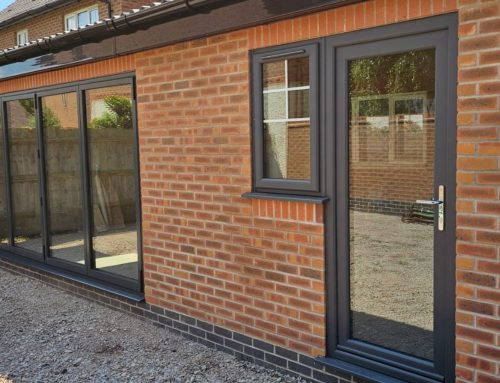
UPVC doors are one of the most popular choices for UK homeowners, offering excellent durability, energy efficiency, and value for money. Whether you have uPVC front doors or uPVC back doors, they require very little upkeep compared to traditional timber alternatives.
However, “low maintenance” doesn’t mean maintenance-free. Regular checks and simple care routines can help your door stay secure, perform as intended and maintain its appearance for many years. To help keep your UPVC doors, we’ve put together this handy checklist with our top door maintenance tips.
Why is it important to main your UPVC doors?
One of the biggest advantages of uPVC doors is their resilience. They don’t rot, warp, or require repainting like timber doors. Nevertheless, they are constantly exposed to changing weather conditions, temperature fluctuations, and daily wear and tear.
Over time, hinges can loosen, seals may deteriorate, and frames can expand or contract due to extreme temperatures. A small amount of routine maintenance helps ensure:
- Smooth opening and closing
- Reliable locking performance
- Improved energy efficiency
- Better weather protection
- Extended lifespan
- Preserved kerb appeal
Even well-installed doors can occasionally require minor adjustments, particularly after periods of extreme heat or cold.
Monthly quick-check list
Taking 10 minutes to carry out a quick check on your doors once a month can help identify small issues before they become larger problems.
Test door operation
Open and close your door several times.
Check that:
- The door moves smoothly
- It doesn’t catch or drag on the frame
- The handle operates correctly
- The lock engages without resistance
If the door becomes difficult to operate, getting it sorted out right away can prevent unnecessary strain on hinges and locking mechanisms.
Inspect seals and gaskets
The rubber seals around your door play a crucial role in keeping out drafts and moisture.
Look for:
- Cracks
- Splits
- Areas pulling away from the frame
- Signs of wear or flattening
Damaged seals can affect insulation and may eventually lead to water ingress.
Wipe down frames
With some warm water, mild detergent and a bit of good old fashioned elbow grease, you can clean the frame and remove dirt, dust, and pollution buildup. Regular cleaning helps maintain the appearance of your door while preventing grime from accumulating around moving parts and drainage channels.
Biannual door maintenance tasks (spring and autumn)
It’s a good idea to carry out a more thorough inspection twice a year. We recommend doing this before and after winter as that is usually when your door will go through the harshest conditions.
Lubricate locks and hinges
Apply a silicone-based lubricant to:
- Hinges
- Locking mechanisms
- Handle components
- Moving parts
Avoid grease-based products, as they can attract dirt and debris over time. Proper lubrication helps maintain smooth operation and reduces wear on hardware components.
Check for frame movement or door sagging
High-traffic uPVC front doors experience constant use throughout the year.
Look for signs such as:
- Uneven gaps around the frame
- Difficulty locking
- Dragging at the threshold
- Misalignment between the door and frame
These can indicate minor movement that may require adjustment before it worsens.
Inspect drainage holes
Most modern uPVC doors include drainage holes at the bottom of the frame to allow water to escape. Check that these remain clear and free from:
- Dirt
- Leaves
- Insect nests
- Debris
Blocked drainage channels can lead to water accumulation and potential leakage during heavy rainfall.
You can check out our full guide on end of summer home maintenance here.
How does hot and cold weather effect UPVC doors?
If there’s one predictable thing about UK weather, it’s that it’s unpredictable! Extreme temperatures can temporarily affect how UPVC doors perform, so it’s worth keeping an eye on them when temperatures fluctuate.
During hot weather
UPVC naturally expands when temperatures rise. During heatwaves, some homeowners may notice:
- Doors becoming difficult to open
- Locks feeling tight
- Increased friction when closing
In severe cases, the frame can expand beyond its normal operating tolerance, causing the door to bind. A simple temporary solution is to cool the door and frame with cold water from a garden hose. As the material cools, it contracts and often returns to normal operation. If the problem persists, professional adjustment may be required.
During cold weather
Freezing temperatures can make locks and handles feel stiff. If this happens:
- Avoid forcing the key
- Use a lock lubricant if appropriate
- Warm the key gently before inserting it
- Check for ice around the frame and locking points
Forcing a frozen lock can cause unnecessary damage to the mechanism.
How to clean a UPVC door
As mentioned above, keeping your UPVC door clean is pretty straightforward. However, there are some products and methods you should and shouldn’t use.
Safe cleaning products
Use:
- Warm water
- Mild detergent
- Soft cloths or sponges
- Commercial glass cleaner
- Vinegar-water solution for glass inserts
These products are effective while remaining gentle on the surface.
Products to avoid
Avoid:
- Bleach
- Solvent-based cleaners
- Alcohol-based products
- Abrasive pads
- Wire brushes
- Scouring powders
These can damage the finish, seals, or glazing components. You should also avoid pressure washing your door. Pressure washers may seem convenient, but they can:
- Damage seals
- Force water into the frame
- Dislodge gaskets
- Affect drainage systems
A simple hand wash is usually all that’s needed.
When to call a professional
Many maintenance tasks are straightforward, but some issues require expert attention.
Contact a professional if:
- The door sags significantly
- The door drags on the threshold
- Locks no longer align correctly
- Water enters during heavy rain
- You notice visible frame distortion
- Adjustments don’t resolve operational issues
Problems related to installation accuracy or structural movement can worsen over time if left unaddressed. Professional inspection can often identify the underlying cause and prevent more expensive repairs in the future.
UPVC vs Composite doors: Which requires more maintenance?
When comparing UPVC vs composite doors, both options are considered relatively low maintenance. However, UPVC doors generally require less upkeep because:
- They are lighter in weight
- They don’t require repainting
- Hardware experiences less strain
- Cleaning is usually simpler
Composite doors offer enhanced strength and premium aesthetics, but they can be heavier and may place greater demands on hinges and hardware over time. The best choice depends on your budget, security requirements, and design preferences.
Final thoughts
With routine cleaning, occasional lubrication, and seasonal inspections, your door can continue performing reliably for many years. At Birmingham Glass, all of our windows and doors come with a 10-year guarantee. With a little bit of preventative maintenance, they can last far beyond this.
Ready to install UPVC doors in your home? Talk to our friendly team today and get a free, no-obligation quote.