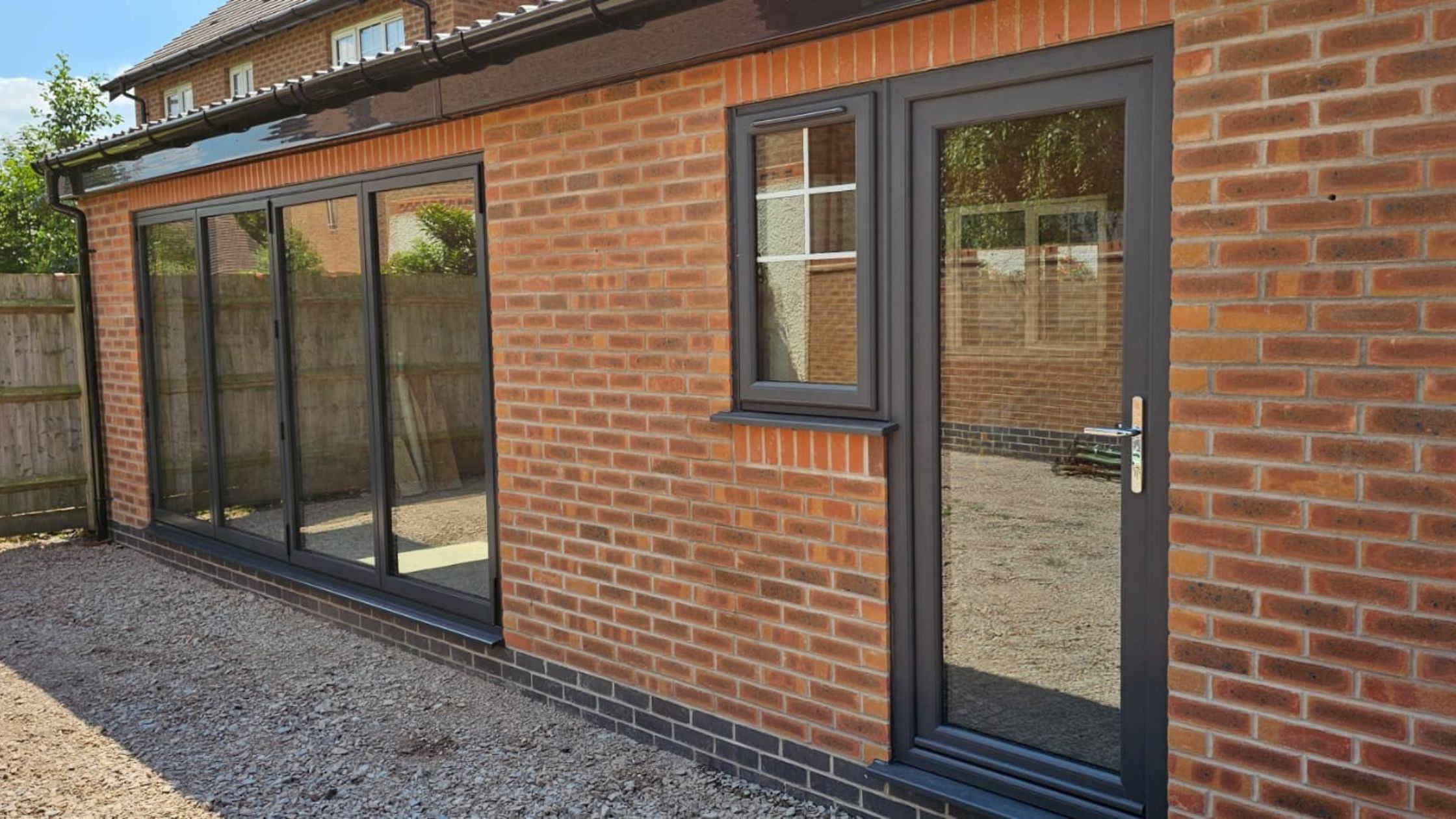
Slimline aluminium windows have become a go-to choice for homeowners chasing that clean, contemporary look. If you’ve ever admired a modern home with huge panes of glass and barely-visible frames, chances are you were looking at aluminium. But while they look great, they’re not always the right fit for every project.
What are slimline aluminium windows?
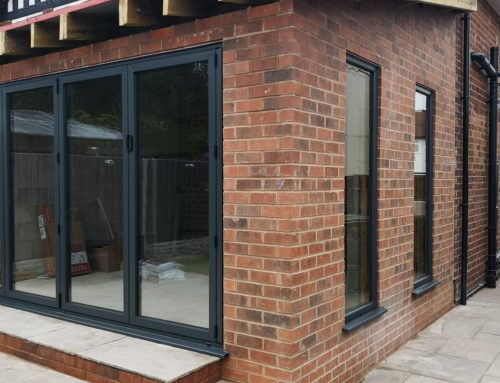
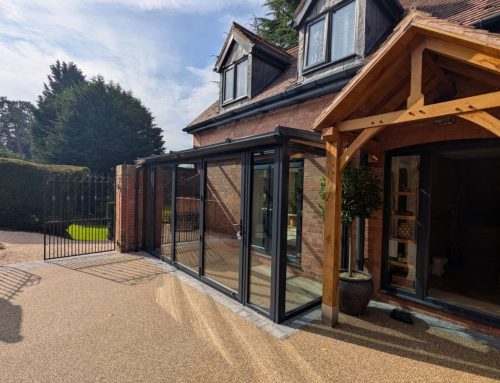
Slimline aluminium windows are exactly what they sound like; window systems designed with ultra-narrow frames to maximise the glass area. The goal is simply to let in more light and reduce visual obstruction.
Because aluminium is incredibly strong compared to materials like UPVC, it can support large panes of glass without needing bulky frames. That means you get those expansive, uninterrupted views that define modern architecture.
You’ll typically see these windows used in:
- New builds with a contemporary design
- Architect-led renovations
- Extensions with large openings or feature glazing
Slimline aluminium windows design benefits
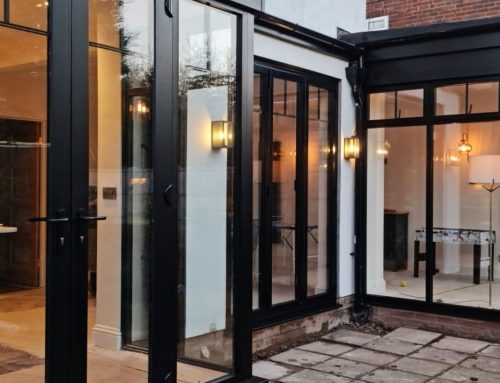
If your priority is clean lines and a minimalist finish, slimline aluminium is a fantastic choice. The reduced frame size creates a “barely there” effect, which makes spaces feel brighter, larger, and more connected to the outdoors. The slim frames create a clean, uncluttered appearance that works perfectly in contemporary homes.
They’re particularly effective when used in large openings, where the goal is to maximise the view rather than frame it.
A few design points:
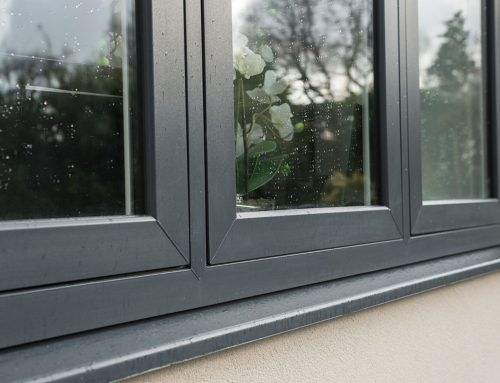
- The finish is smooth and powder-coated, not textured like woodgrain
- They suit modern and minimalist interiors best
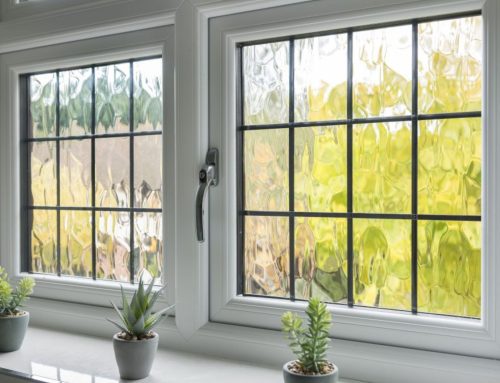
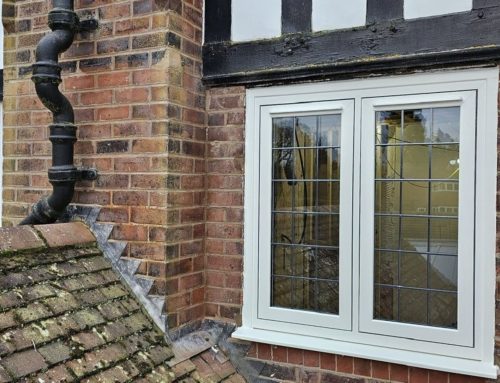
- They can look out of place on traditional or period properties
Are slimline aluminium windows strong?
Despite their slim appearance, aluminium frames are incredibly strong. This strength allows them to support large glass panels without compromising stability. That’s why they’re often used for sliding doors, bi-fold systems, and corner glazing.
Compared to uPVC, aluminium is more resistant to:
- Warping in heat
- Twisting over time
- Flexing under pressure
Once installed correctly, they tend to remain stable and reliable for years, even in changing weather conditions… which we have a lot of in the UK!
Energy efficiency of slimline aluminium windows
Aluminium used to have a bit of a bad reputation for poor insulation, but modern systems have addressed this. Today’s aluminium windows include thermal breaks. These are insulating barriers within the frame that reduce heat transfer. This helps improve energy efficiency and ensures they meet current building regulations.
However, it’s worth noting:
- uPVC is generally still more thermally efficient
- Performance can vary depending on glazing and specification
- High-performance glazing (like triple glazing) can help close the gap
So while aluminium is no longer a weak point in terms of insulation, it may not always be the best choice if energy efficiency is top of your need list.
Slimline aluminium windows cost UK
Slimline aluminium windows sit firmly in the premium category. They tend to cost significantly more than UPVC alternatives due to:
- Higher material costs
- More complex manufacturing processes
- Increased installation precision
You can typically expect:
- A noticeable price increase for single windows
- A substantial jump for large sliding or patio doors
- A considerable investment for full-house installations
Lead times are also normally a bit longer. If budget is a concern, it’s important to weigh whether the visual impact justifies the added cost.
Do slimline aluminium windows require maintenance?
Aluminium windows are relatively low maintenance, which is part of their appeal.
The powder-coated finish is:
- Resistant to weathering
- UV stable (helps prevent fading)
- Easy to clean with basic upkeep
That said, the surface isn’t totally immune to damage. Scratches or scuffs can be more difficult to repair compared to uPVC. In many cases, fixing damage properly may require professional refinishing rather than a simple touch-up. So while they don’t require frequent maintenance, they do benefit from careful handling, especially during installation.
Where to use slimline aluminium windows
Slimline aluminium windows work best when they’re aligned with the overall design of the property.
They’re ideal for:
- Large sliding doors or bi-fold systems
- Feature windows with wide spans
- Corner glazing
- Modern or architect-designed homes
They’re less suited to:
- Traditional or period properties
- Homes where thicker frames complement the style
- Projects focused purely on cost-efficiency
How to choose the right slimline aluminium windows
If you’re thinking about slimline aluminium windows for your home, here are a few handy tips to help you decide:
- Take a look in person
Photos are helpful, but nothing beats seeing the frame and finish up close! At Birmingham Glass, we have our very own showroom where you can see our products. All of our windows and doors also come with a 10-year guarantee.
- Compare them to standard frames
Checking them side by side makes it much easier to spot the difference in style and proportions.
- Get quotes early on
Prices can vary depending on the project, soit’s worth getting a few details upfront to avoid any surprises later.
- Check the thermal performance
If energy efficiency matters to you, take a moment to look over the specs.At Birmingham Glass, our windows are A-Rated as standard.
- Allow a bit of extra time
Slimline options can sometimes take longer, soit’s smart to keep that in mind when thinking about your timeline.