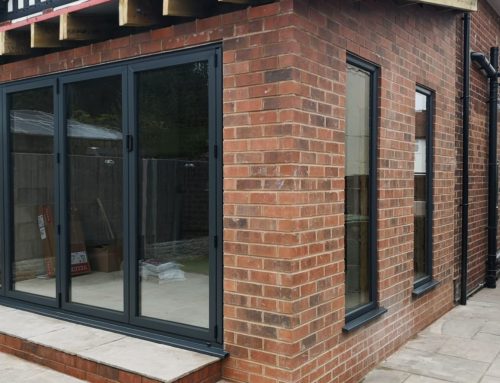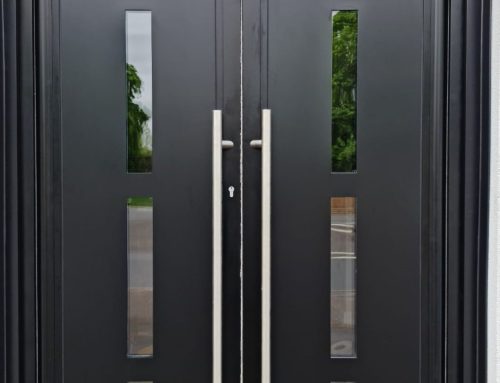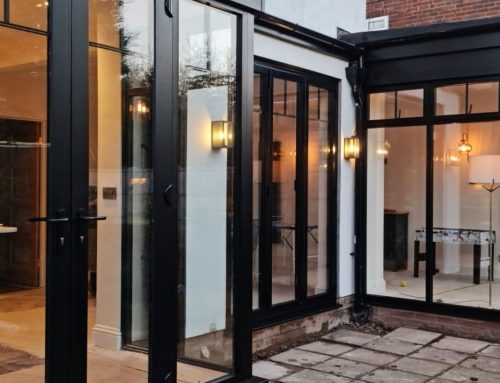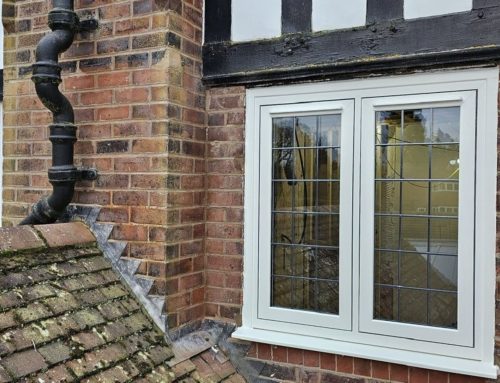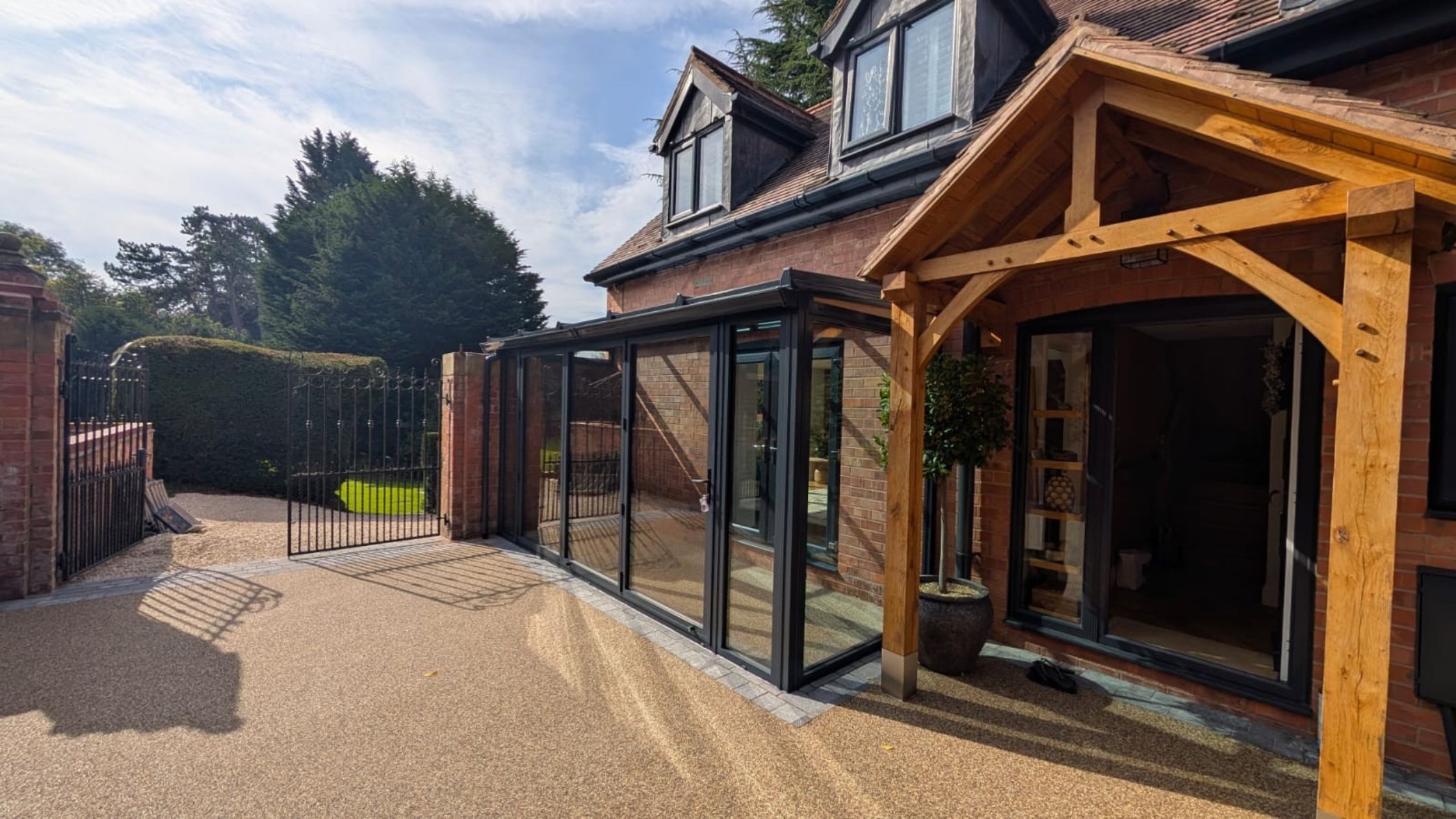
Aluminium windows have become an increasingly common choice for many homeowners because of their slim frames and clean look. But beyond appearance how do they hold up after years of everyday use?
The short answer is that they last a long time and stay structurally solid. The longer answer is that, like any material, they change slightly over time in ways that are worth understanding before you choose them. To help you decide if aluminium windows are the right choice for you, we’ve put together this guide that walks you through what you can realistically expect over the years, including lifespan, maintenance, and how they behave in different environments.
How long do aluminium windows last?
Aluminium windows are built for longevity. This means that with proper installation and basic care, it’s normal for them to last 40 years or more. One of the main reasons for this is that aluminium is very stable as a material. It doesn’t expand and contract in the same way timber might, and it doesn’t become brittle or warped with age. Once a frame is fitted correctly, it tends to stay in that position long term with very little movement.
That stability is part of why aluminium is often used for larger glazing designs where consistency and strength are really important.
How do aluminium windows look as they age?
Aluminium tends to hold its shape extremely well, but its appearance can change gradually depending on use and exposure. Over time, you might notice small signs such as light surface marks, or a slight softening of the original finish. This is usually very gradual and often depends more on how exposed the windows are rather than the material itself.
The main thing to remember is that these changes are mostly cosmetic. The windows continue to function exactly as they should, but like most external finishes, they can look a bit less “fresh” compared to when they were first installed.
Aluminium window finishes and what to expect from them
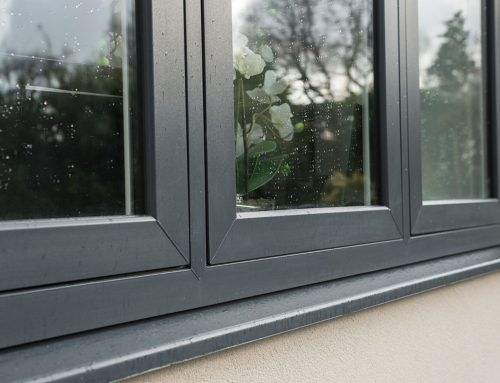
Most aluminium windows are finished with a powder coating. This is what gives them their colour and protects the surface underneath. It’s a strong and durable finish, designed to handle years of weather exposure, but it isn’t completely immune to damage. If it gets scratched or chipped, the mark will usually stay visible because the surface doesn’t blend or repair itself naturally.
In most homes this isn’t a big issue day to day, but it does mean some extra care is helpful, especially in areas where frames might get knocked or in coastal locations where conditions are harsher. In those environments, higher-grade coatings are often used to give extra protection over time.
How to maintain aluminium windows?
One of the advantages of aluminium windows is that they don’t demand much upkeep. Most of the maintenance is simple and occasional rather than frequent or complicated:
- Cleaning the frames with warm water and a mild detergent
- Avoiding abrasive cloths or strong chemicals that could affect the finish
- Keeping drainage channels clear so water can run away properly
- Lightly oiling hinges, handles, and locks once or twice a year
- Checking seals now and then to make sure everything is still sitting correctly
It’s more about keeping things clean and moving smoothly than any kind of heavy maintenance routine.
Energy performance over time
Modern aluminium windows use thermal break technology, which adds an insulating barrier inside the frame. This helps reduce heat transfer and improves overall energy efficiency. The important thing is that these thermal breaks don’t degrade in normal use. Once installed, they continue working in the background without needing attention.
In practical terms, aluminium windows maintain their energy performance long term, as long as the seals and glass units remain in good condition.
Everyday performance in different conditions
Aluminium performs well in a wide range of environments. It handles temperature changes easily and stays stable in both hot and cold weather. It’s also commonly used in larger openings because the frame can support more glass without flexing over time. That makes it a strong option for wide views and modern open layouts.
In coastal areas, the main thing to think about is the finish rather than the frame itself. Salt in the air can be tough on coatings over long periods, so specifying the right protective system makes a noticeable difference.
Aluminium vs UPVC windows
Aluminium and UPVC both work well for windows, but they tend to suit slightly different priorities. Aluminium is often chosen when slimmer frames, rigidity, and a more minimal look are important. It feels very solid and is commonly used in larger or more design-focused glazing.
UPVC is widely used in all kinds of homes because it offers strong thermal performance, good durability, and tends to be very forgiving in everyday use. It also comes in a wide range of styles and finishes, making it a flexible option for many property types.
In reality, a lot of projects use both materials in different parts of the home depending on what’s needed. If you’d like a more detailed comparison of aluminium and UPVC windows, you can take a look at our full guide here.
Final thoughts
Aluminium windows are long-lasting, stable, and low maintenance in day-to-day use. Structurally, they’re designed to perform for decades without issue, which is why they’re so widely used in modern construction.
Overall, they’re a solid long-term choice, especially where design and structural strength are vital. With the right finish and a bit of basic care, they continue to perform reliably for many years without needing much attention.
Are you thinking about aluminium windows for your home? Get in touch with our friendly team at Birmingham Glass to request a free, no-obligation quote. We’ll take a look at what you’re looking to achieve, talk you through the options, and give you advice on what would work best for your property.
Frequently asked questions
How long do aluminium windows last?
Aluminium windows typically last around 40 years or more when they’re properly installed and maintained. The frames are highly stable and don’t suffer from warping, cracking, or swelling over time.
Do aluminium windows need a lot of maintenance?
No, they’re fairly low maintenance. Regular cleaning with mild soapy water, occasional lubrication of moving parts, and keeping drainage channels clear is usually enough to keep them in good condition.
Do aluminium window frames fade or change colour over time?
The powder-coated finish is designed to be durable, but over many years you may notice slight fading or surface wear depending on exposure to weather and sunlight. This is usually gradual and mostly cosmetic.
Are aluminium windows energy efficient?
Yes, modern aluminium windows use thermal break technology, which helps reduce heat loss and improve insulation. They meet current building regulations for energy efficiency when correctly specified and installed.
Can scratches on aluminium window frames be repaired?
Light scratches are difficult to remove from powder-coated aluminium. In some cases, professional respraying may be needed for more noticeable damage, but minor marks are often left as they are.