Choosing a new door is about more than simply picking a style you like. Your front or back door plays an important role in your home, from keeping your property secure and comfortable to creating the right first impression.
With so many options available, it can be difficult to know which material is the best choice. Aluminium doors, UPVC doors, composite doors and timber options all have their own advantages, but the “best” door will depend on what matters most to you; whether that’s appearance, durability, energy efficiency, maintenance or budget.
What’s the difference between aluminium and UPVC doors?
Aluminium doors tend to be associated with commercial buildings because they are strong, durable and designed to handle heavy use. A shop entrance opening hundreds of times a day puts very different demands on a door compared with a family home where a back door may only be used a handful of times daily.
In a domestic setting, aluminium still performs well, but the practical benefits are less dramatic. It is a strong, stable material that handles temperature changes better, but UPVC doors already offer excellent performance for most households.
Are aluminium doors more secure than UPVC doors?
While aluminium feels stronger because of its solid construction, the material itself is not the main factor that determines how secure a door is. Modern UPVC doors are reinforced internally, and both aluminium and UPVC doors can be fitted with high-quality locks, secure glazing and strong hardware.
The glass used in both types of doors can also offer the same level of protection when the correct specification is chosen. Really security comes down to the complete door system rather than simply whether it is made from aluminium or UPVC. The quality of the locks, hinges, glazing and installation all play an important role. At Birmingham Glass, we recommend 3-star cylinder locks – you can find out more about them here!
Do aluminium doors handle temperature changes better?
One area where aluminium genuinely has the edge is stability in changing weather conditions. UPVC can expand slightly in hot temperatures and contract when it gets colder. This movement can sometimes cause the door to become slightly misaligned, which is why you may notice a UPVC door feeling tighter or needing a little extra force to lock during warmer weather.
It does not mean there is a problem with the lock itself. Often, it is simply the door moving by a few millimetres. Aluminium is much less affected by this type of expansion, meaning it is less likely to need seasonal adjustments. With changing temperatures and extremes becoming more common in the UK (summer 2026, we’re looking at you), this may be something you want to think about when replacing your door.
Do aluminium doors last longer than UPVC doors?
Both aluminium and UPVC doors are designed to be long-lasting and typically come with similar guarantees from manufacturers. The main difference is the finish. Aluminium doors are usually powder coated, while coloured UPVC doors are commonly finished with a foil layer. Both are designed to withstand the elements, although the appearance can change over time depending on exposure and maintenance.
One thing to remember is that aluminium is less forgiving if it becomes damaged. A scratch or mark in the powder coating cannot simply be polished away in the same way some UPVC marks can. This means aluminium might not be the best option for busy households with young children and pets
Are aluminium doors harder to maintain?
The good news is that both aluminium and UPVC doors are relatively easy to look after! Regular cleaning with warm soapy water is usually all that is needed. However, aluminium does require a little more care during cleaning because abrasive materials can scratch the surface. A simple mistake, such as using a rough sponge with grit trapped inside, can leave permanent marks. With UPVC, small imperfections can sometimes be softened or blended. Aluminium tends to be less forgiving, so a little extra care is worthwhile.
Are aluminium doors more energy efficient?
A lot of people think that aluminium doors are warmer because they are a premium product, but the material alone does not decide energy efficiency. The most important factor is the energy rating of the door itself.
An A-rated aluminium door and an A-rated UPVC door both meet the same performance requirements. When choosing a new door, look at the specification rather than focusing only on the material. Good glazing, quality installation and the overall design of the door will all contribute to keeping your home comfortable.
How much more expensive are aluminium doors?
As a general guide, an aluminium door may cost around 30–40% more than a comparable UPVC option. The difference comes from several stages of production, including the cost of the raw material, manufacturing process, powder coating, careful handling and installation.
For many homeowners, the extra investment is worthwhile because of the appearance and design possibilities aluminium offers. Slim frames, larger glass areas and modern finishes can create a statement feature that is difficult to achieve with other materials.
Which homes suit aluminium doors?
There are no strict rules about where aluminium doors should be used. It is less about the age or style of the property and more about choosing a design that works with the overall look of your home.
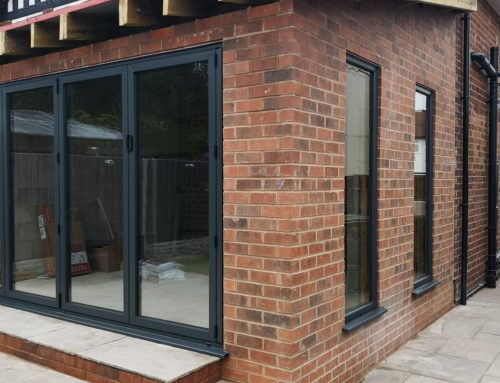
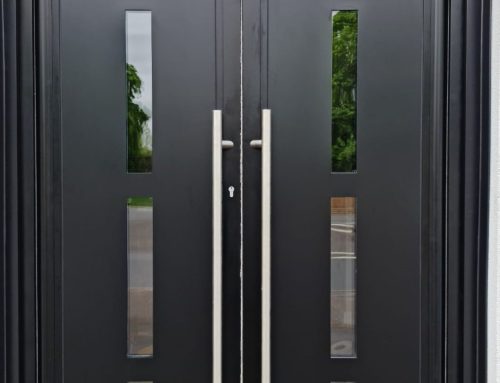
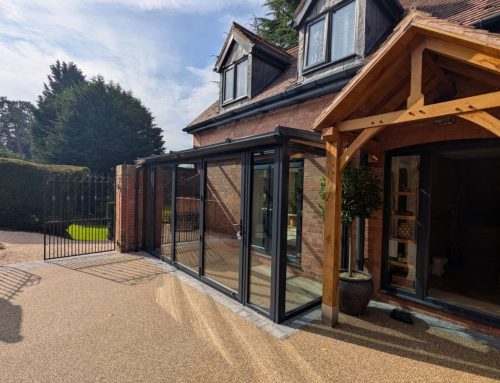
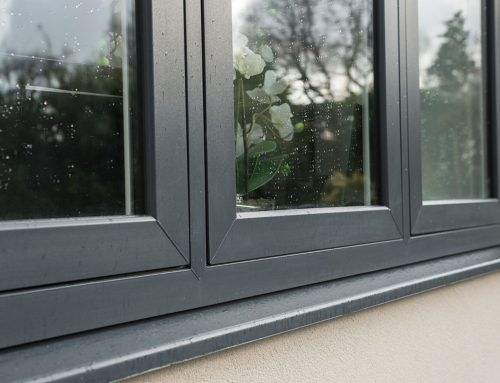
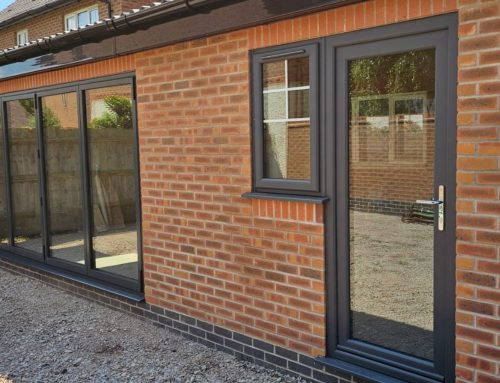
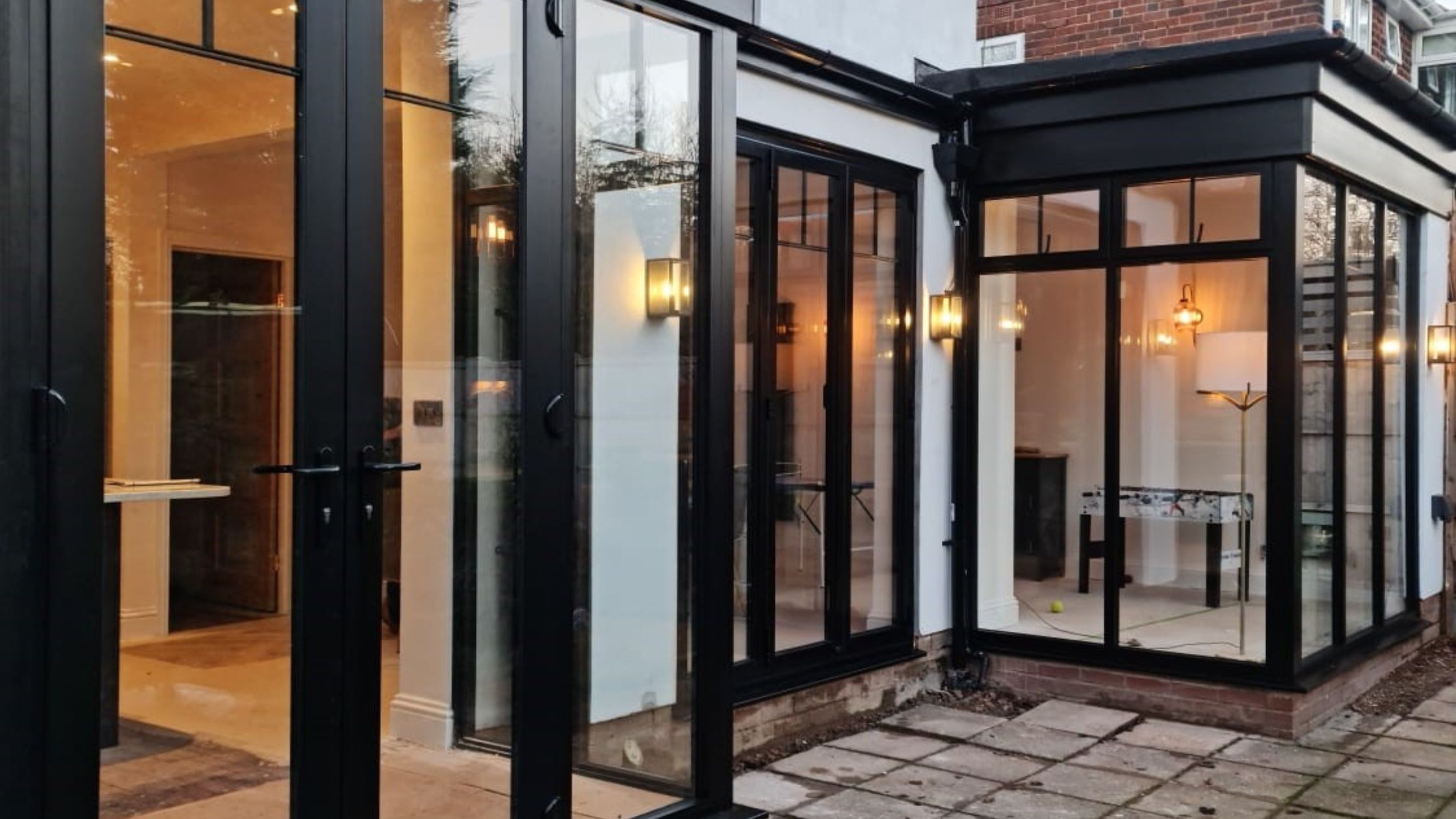
Black aluminium doors, including modern Crittall-style designs, can work beautifully on contemporary properties but can also add a timeless feel to more traditional homes. Ultimately, aluminium doors are often chosen because they look right for the space.
Are aluminium doors worth the extra money?
This is a bit of a “how long is a piece of string” question, but we’ll do our best to give you a concise answer! If you are looking for the slimmest frames, a modern finish and a design feature for your home, aluminium doors can be a fantastic choice. If your priority is simply a secure, energy-efficient and reliable door, a high-quality UPVC or composite door may offer everything you need at a lower cost.
The best choice is the one that suits your home, your budget and how you want your door to look and perform. At Birmingham Glass, both aluminium and traditional door options are available, so the advice is always based on what works best for your property rather than pushing one material over another.
Want some tailored advice before making a choice? Get in touch with our friendly team, we’d be happy to answer your questions and give you a free, no-obligation quote.
Frequently asked questions
Are aluminium doors more secure than UPVC doors?
Not necessarily. Both aluminium and UPVC doors can provide excellent security when fitted with quality locks, secure glazing and professional installation.
Do aluminium doors last longer than UPVC doors?
Both materials are designed to be durable and come with similar guarantees. Aluminium can offer better stability in changing temperatures, but lifespan depends on the quality of the product and how well it is maintained.
Why do UPVC doors stick in hot weather?
UPVC can expand slightly in warmer temperatures, which may cause the door to move out of alignment by a few millimetres. This can make it feel harder to close or lock.
How much more expensive are aluminium doors than UPVC?
Aluminium doors are typically around 30–40% more expensive than comparable UPVC doors, depending on the design, size and specification.