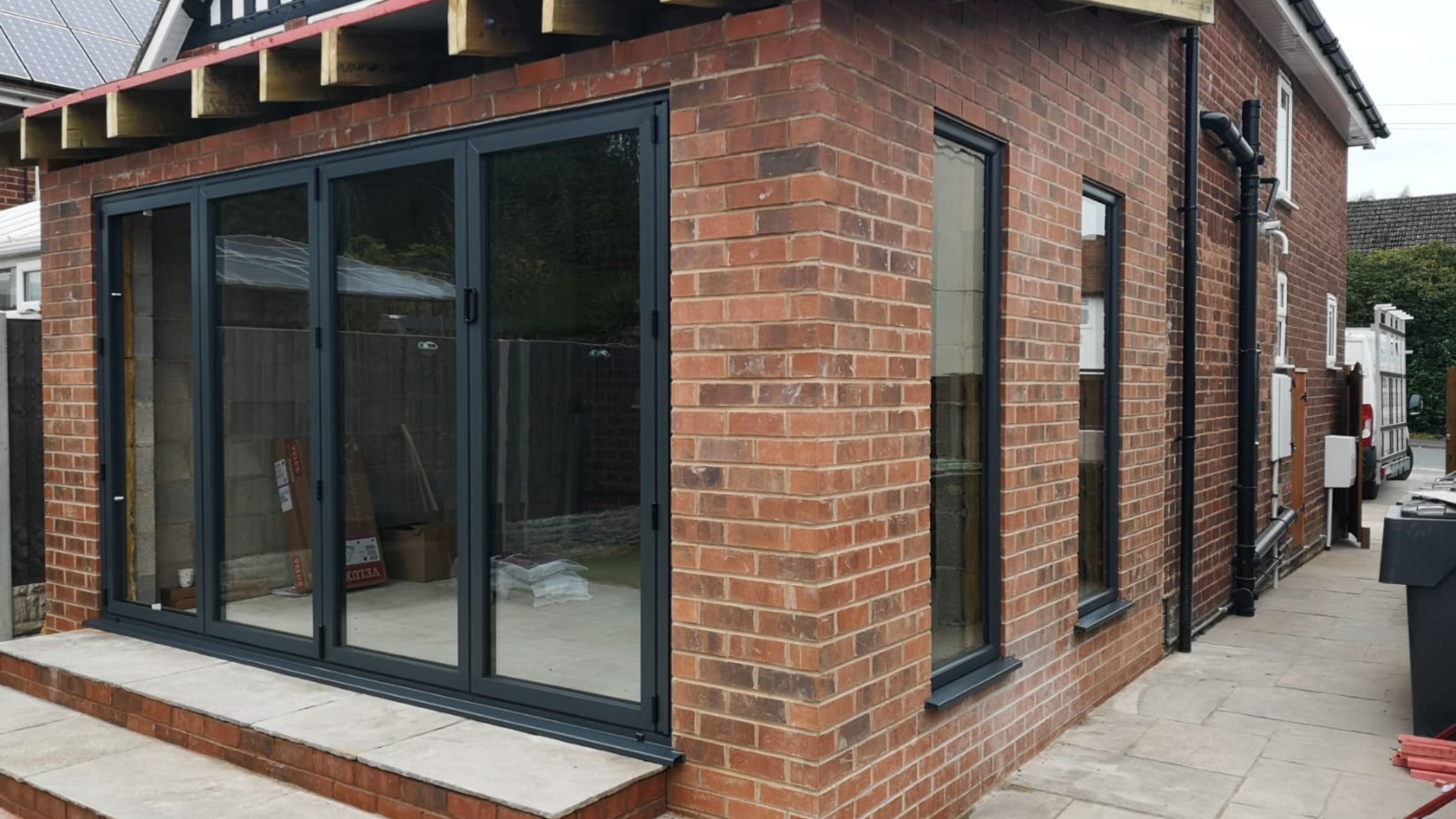
If you’re planning a modern extension, aluminium windows are probably already on your radar. They’ve become a popular choice for homeowners looking to create bright, contemporary spaces, particularly when large areas of glass are part of the design.
There’s a common assumption that aluminium automatically means better quality. But like most things in life, the reality is a little more nuanced! Aluminium windows can offer some genuine advantages, particularly for larger openings and minimalist designs, but that doesn’t mean they’re always the best choice. So, when are aluminium windows worth the extra investment, and when could UPVC windows do the job just as well?
Why are aluminium windows popular for modern extensions?
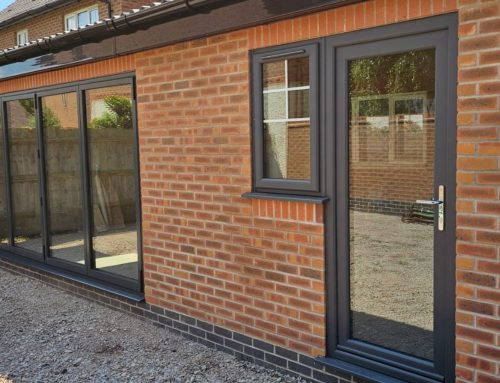
Modern extensions have changed the way we think about windows. Open-plan kitchens, large glazed areas and indoor-outdoor living have all increased demand for windows that offer plenty of glass without bulky frames getting in the way. This is where aluminium has really made its mark. Its slim profiles and clean lines fit naturally with contemporary architecture, giving extensions that sleek, high-end appearance that’s become so popular.
There’s also no denying that aluminium windows have a premium reputation. However, a higher price doesn’t automatically mean better performance. In many cases, homeowners choose aluminium because they love the look, rather than because it offers a dramatic performance advantage over UPVC.
The aesthetic benefit of slimline windows
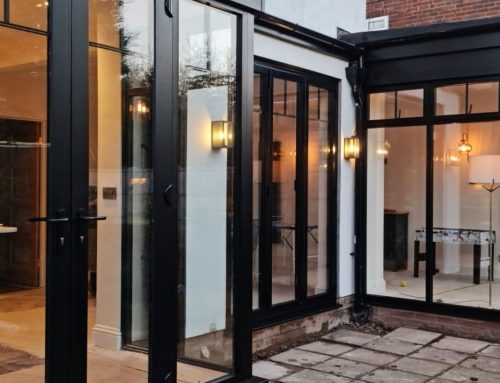
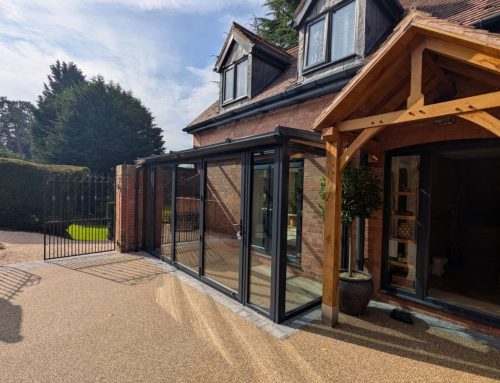
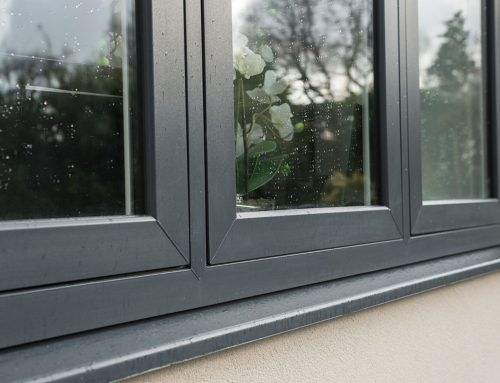
One of the biggest advantages of aluminium window frames is their slim appearance. Compared with many UPVC alternatives, aluminium can achieve narrower sightlines, meaning more of the window is glass and less is frame. That can make a noticeable difference in an extension as more glass means more natural light, while the minimal framing helps create the clean, uncluttered appearance associated with modern design.
Slimline aluminium windows work particularly well for:
- Large fixed panes
- Floor-to-ceiling windows
- Corner glazing
- Feature windows
- Large openings alongside bifold or sliding doors
If you’re planning a statement extension where the glazing is a major part of the design, aluminium can really come into its own.
Why aluminium works well for large glazed openings
There’s a practical reason aluminium is so closely associated with large glazing, too. Aluminium is strong and rigid, allowing manufacturers to create relatively slim frames without sacrificing the structural support needed for larger panes of glass. This makes it particularly useful for wide windows, large openings, apex glazing and bifold doors.
With very large spans, the rigidity of the frame becomes increasingly important. uPVC can be perfectly suitable for smaller and more conventional windows, but aluminium often makes more sense when the design starts pushing the limits in terms of size. That’s one area where paying more for aluminium can provide a genuine practical benefit, rather than simply changing the appearance of the window.
What is thermally broken aluminium?
Older aluminium windows developed a reputation for being poor insulators because aluminium conducts heat. Modern systems have addressed this with something called a thermal break.
Thermally broken aluminium uses an insulating barrier between the inside and outside sections of the frame. This reduces heat transfer through the aluminium and helps the window retain warmth more effectively. When combined with modern double or triple glazing, thermally broken aluminium windows can offer strong energy efficiency and, depending on the system and specification, performance comparable with energy-efficient uPVC windows.
Aluminium vs UPVC: Which is better?
There isn’t a universal winner when it comes to aluminium vs uPVC. The right choice depends on your extension, your property and your budget. Aluminium is particularly attractive if you want slim frames, large expanses of glass or a distinctly contemporary finish. It’s also strong, durable and resistant to warping.
UPVC, on the other hand, can offer very good thermal performance at a lower price. For standard-sized windows where ultra-slim sightlines or additional structural strength aren’t important, it may provide everything you actually need. It’s worth thinking about the window as part of the whole property rather than choosing a material simply because it’s currently fashionable.
Which properties suit aluminium windows?
Modern aluminium windows tend to work best where the architecture supports their clean, minimalist appearance. They’re a natural fit for:
- Contemporary home extensions
- Modern renovations
- Large glazed openings
- Architectural feature windows
- High-end property upgrades
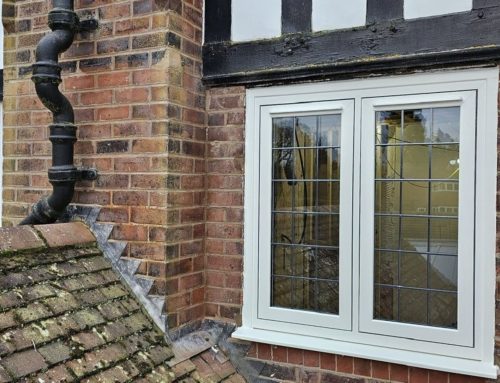
That doesn’t mean aluminium can’t work on a traditional home, but it needs to be considered carefully. For example, a very minimalist aluminium frame can sometimes look at odds with an older property, particularly if the rest of the house has a more traditional character.
Aluminium window maintenance and longevity
Aluminium is generally straightforward to maintain. Modern powder-coated finishes are designed to withstand everyday weathering, while the material itself won’t rot or warp in the way some older window materials can.
That said, aluminium isn’t totally maintenance-free. The finish can pick up scuffs and marks over time, and unlike a UPVC frame that might be relatively forgiving of everyday knocks, some damage to a coloured or powder-coated finish can remain visible. With proper care and a good-quality system, however, aluminium windows can provide a long-lasting solution for an extension.
How much do aluminium windows cost?
Cost is one of the biggest differences between aluminium and UPVC. Aluminium windows can sometimes cost close to twice as much as comparable UPVC windows, although the final price will depend on the size, specification, glazing, finish and installation involved.
For a large opening where aluminium provides the strength and slim sightlines your design requires, the extra investment can be worthwhile. If you’re replacing a handful of standard-sized windows where UPVC would provide similar thermal and practical performance, the difference may be harder to justify. In other words, don’t assume that paying more automatically means getting a better-performing window.
How to choose the right aluminium windows for your extension
Start with the design of your extension. If you’re planning large areas of glazing, slimline aluminium windows can help you achieve the look while providing the structural strength required for bigger openings. For smaller windows, think about whether aluminium’s aesthetic benefits are worth the additional cost. Good-quality UPVC may give you similar performance without stretching the budget as far.
It’s also important to consider the aluminium window frames themselves, including their thermal performance, glazing options, finish and overall sightlines. Our experienced installers can help make sure the system is properly specified for the opening, particularly where large or structurally demanding glazing is involved.
Are aluminium windows right for your extension?
There’s no need to choose aluminium simply because it’s considered the premium option. Instead, think about what your extension actually needs.
Aluminium could be the right choice if:
- You want a contemporary, minimalist appearance
- You’re planning large glazed openings
- Slim sightlines are important to your design
- You need additional structural rigidity
- You’re happy to invest more for the look and specification
UPVC could make more sense if:
- Your windows are relatively standard in size
- Budget is an important consideration
- You don’t need ultra-slim sightlines
- Similar thermal performance is available from a uPVC system
- The style better suits your existing property
Final thoughts
Ultimately, the best windows are the ones that work for your home, your extension and your budget. Aluminium can be an excellent investment, particularly for large, contemporary glazing, but it isn’t automatically the better choice for every window.
If you’re considering aluminium windows in Birmingham, get in touch with our team. We’d be happy to discuss your project and make tailored recommendations.