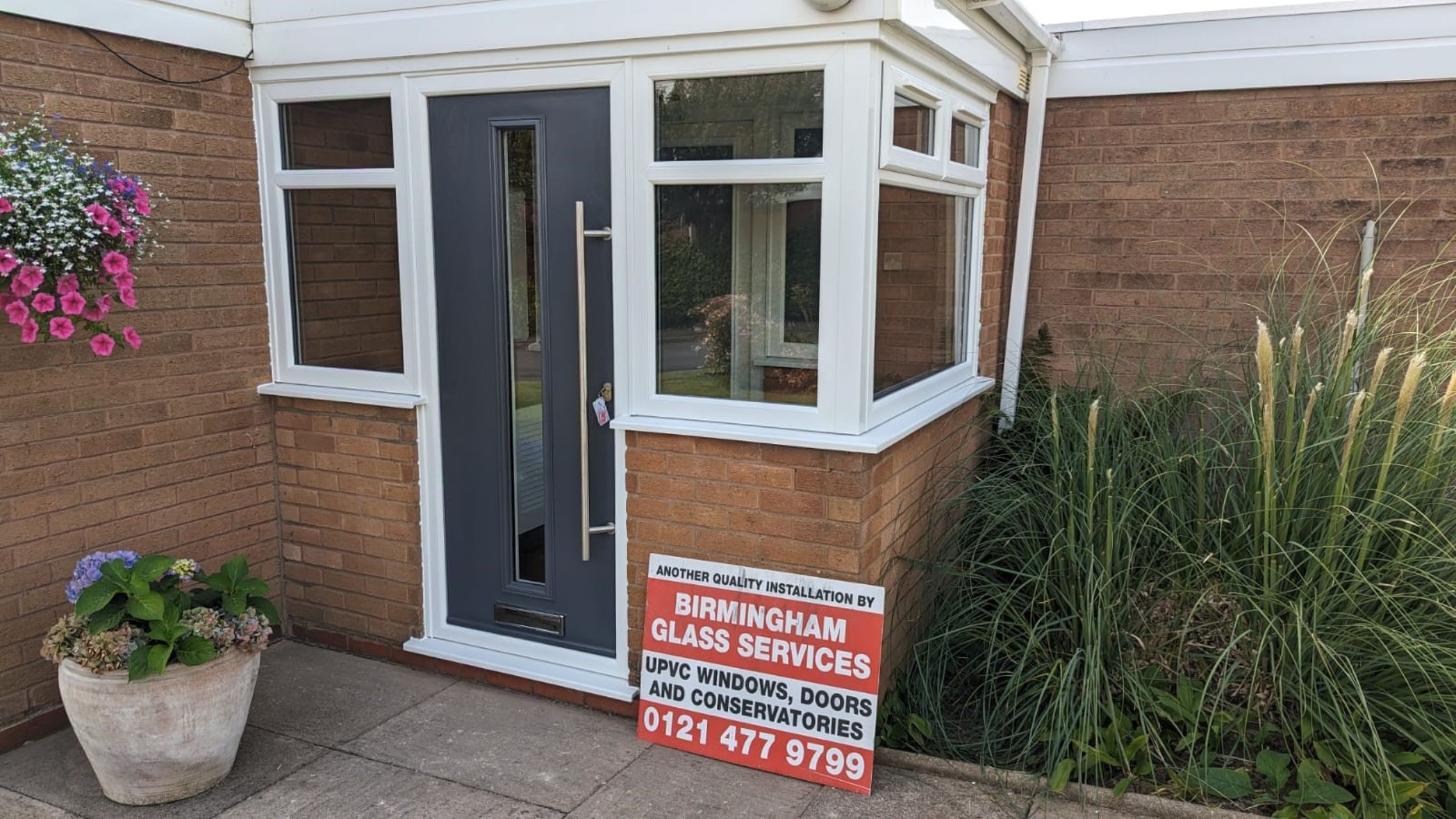
Composite doors have remained as one of the most popular upgrades for homeowners in 2026, and it’s easy to see why! They blend security, insulation, and the kind of kerb appeal that makes you look twice. But when it comes to pricing, many people are surprised at how much costs can vary.
It’s easy to assume the price comes down to the style of the door itself. In reality, the biggest differences often come from glass choices, hardware upgrades, and custom finishes. So, if you’re trying to figure out what actually affects composite door cost (and where your money is going), here’s a clearer composite door cost breakdown.
What is a composite door and why do prices vary?
First things first, let’s all get on the same page about what a composite door actually is. Composite front doors are built using multiple materials rather than a single solid component. Typically, they combine a solid core with layers of uPVC, timber, or insulating foam to create a door that is both strong and energy efficient.
This multi-layer construction is what sets them apart from traditional uPVC or timber doors. They’re more resistant to warping, better at retaining heat, and far more secure. However, the flexibility in design is also why prices vary so much. Composite doors come in a wide range of styles, colours, glazing options, and configurations. Two doors that look similar at first glance can have very different price points depending on what’s included behind the scenes.
The door slab design: Does style affect price?
When looking at composite doors, you’ll often hear the term “door slab.” This simply refers to the main door panel itself. One common misconception is that different slab designs significantly affect the cost. In most cases, they don’t. Whether you choose a traditional panelled design or a sleek modern look, the base price tends to remain fairly consistent.
That’s because the slab starts as a solid structure, and any glazing or detailing is added afterwards. So while you can choose from full glass panels, half-glazed styles, or decorative panel designs, these aesthetic differences don’t usually drive major price changes on their own.
Glass options in composite doors
Few people will be surprised to learn that one area that can significantly increase composite door cost is the glass. Basic clear or obscured glass tends to be the most affordable option. However, once you move into decorative designs, such as bevelled, leaded, or coloured glass, the price can rise quickly.
Larger glazed areas also add to the cost, especially in modern designs that feature full-length glass panels. While these styles can look absolutely stunning and allow more natural light into your home, they require more complex manufacturing and higher-spec materials.
It’s also worth considering how glass affects perception. Decorative glass can enhance kerb appeal and give your entrance a more premium feel, but it’s one of the easiest ways for costs to creep up.
What security features do composite doors have?
One of the biggest advantages of secure composite doors is their high level of built-in protection. Most quality composite front doors come with multi-point locking systems as standard. These systems secure the door at multiple points along the frame, making forced entry much more difficult.
Upgraded cylinders, such as 3-star rated options, offer additional protection. These are designed to resist common break-in techniques like snapping, bumping, and picking. For many homeowners, this level of security is a huge reason for choosing composite doors over alternatives.
The good news is that reputable installers (like us!) often include high-spec locking systems as standard, meaning you’re already getting strong protection without needing to upgrade. You can find out more 3 star cylinder locks here.
Composite door hardware upgrades that influence price
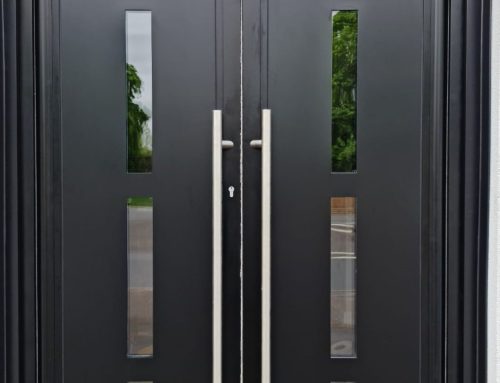
While the core structure of the door provides security, hardware upgrades are where both cost and visual impact can increase. Standard handles and letter plates are typically included in the base price. However, many homeowners choose to upgrade to premium options such as long bar handles, colour-matched hardware, or more modern finishes.
Automatic locking systems are another popular upgrade. These can engage as soon as the door is closed, adding plenty of convenience as well as a handy extra layer of security. Although these features are optional, they can noticeably change both the look and feel of your door, and of course, they do contribute to the overall cost.
Colour choices and wood-effect finishes
Colour plays a major role in the final look of your door, and it can also affect the price. Most suppliers offer a standard range of colours at no extra cost. However, if you’re looking for something more bespoke, such as custom RAL shades or dual-colour finishes, you can expect to pay more.
Wood-effect composite doors are another popular option, especially for period properties or homes aiming for a more traditional and characterful look. These finishes replicate the appearance of real timber without the maintenance, but they typically sit at a higher price point. Colours like anthracite grey and black still remain popular choices in 2026, offering a clean, modern finish that complements most property styles.
Side panels, top panels and larger door configurations
The overall configuration of your door can also have a surprisingly big impact on cost. Adding side panels (also known as sidelights) or top panels increases both the size and complexity of the installation. These additional glazed sections allow more light into your hallway and can create a more impressive entrance, but they do raise the price.
Double door configurations or wider openings will naturally cost more as well, due to the extra materials and labour involved. If you’re working with a larger entranceway, it’s worth weighing up the visual impact against the additional investment required.
Composite vs UPVC doors
When comparing composite vs UPVC doors, the price difference is often one of the first things homeowners notice. UPVC doors are generally more affordable upfront, making them a popular choice for budget-conscious projects.
However, composite doors offer better durability, improved insulation, and higher levels of security. They also tend to have a longer lifespan and maintain their appearance better over time. While the initial cost is higher, many homeowners find that composite doors provide better long-term value.
How to choose the right composite door for your budget
When selecting a composite door, it’s important to balance style, security, and budget. Start by prioritising essential features like strong locking systems and durable construction. From there, consider which upgrades genuinely add value for you, whether that’s decorative glass, premium hardware, or a specific colour finish.
If you’re exploring composite doors Birmingham or want to compare styles and features in more detail, take a look at our full range of composite doors to find the right fit for your home. All of our products come with a 10-year warranty as standard, and our friendly team will be happy to show you around our showroom, answer all of your questions, and make recommendations as required.
Ready to get your composite door installed? Contact our team for a free, no-obligation quote.