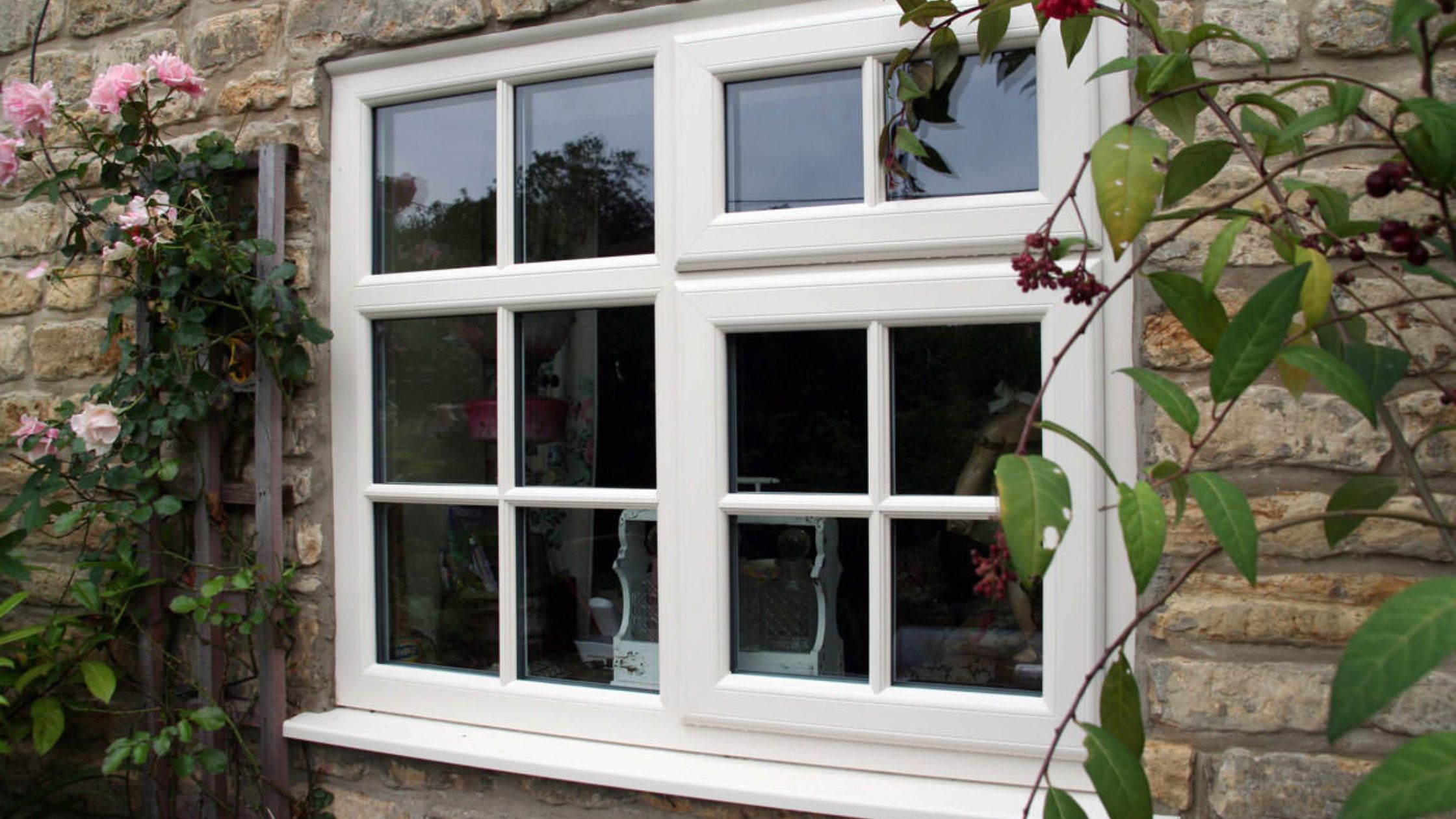
Choosing between UPVC and timber casement windows isn’t just a style decision. It affects how your home looks, how much energy you use, how often you’ll need to maintain them, and what you’ll spend both now and over the years.
Timber has always been associated with traditional homes and natural character, while UPVC casement windows have developed into a modern alternative that can now suit everything from period properties to new builds. With improvements in design, colour choice and thermal performance, the gap between the two is smaller than many people think. However, the right choice for you and your home still depends on a few factors – let’s get into them!
Visual appeal
Timber does tend to win in the battle of aesthetics. It has a warmth and authenticity that people often associate with period properties or more traditional homes. They have a special kind of charm that adds so much character to a property.
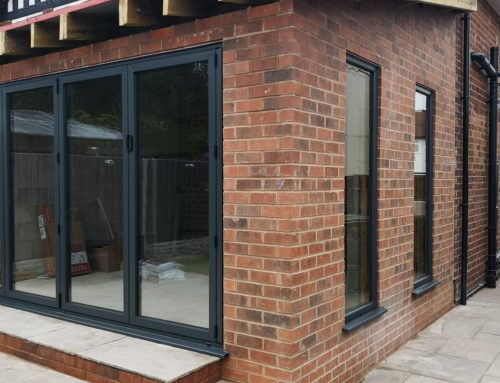
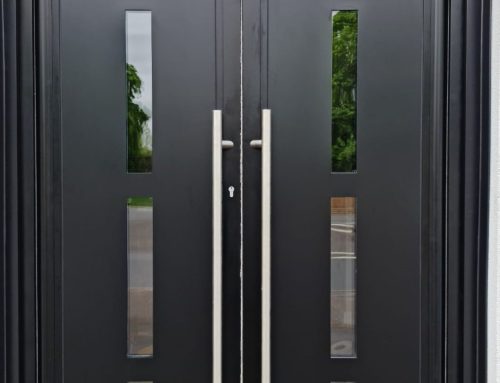
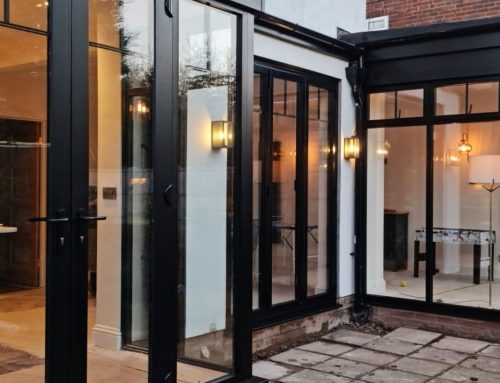
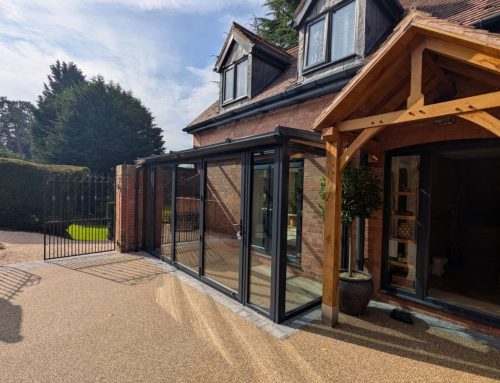
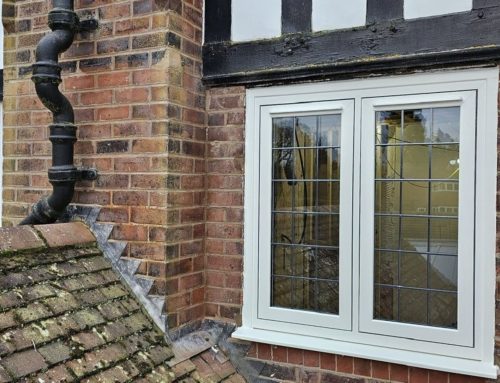
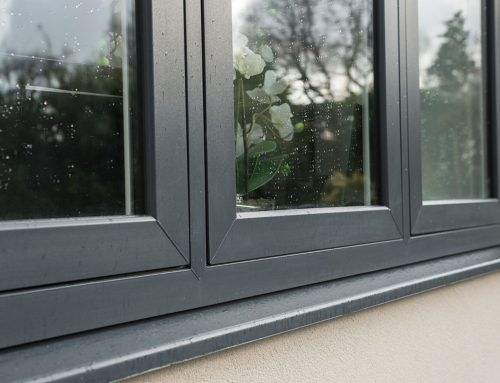
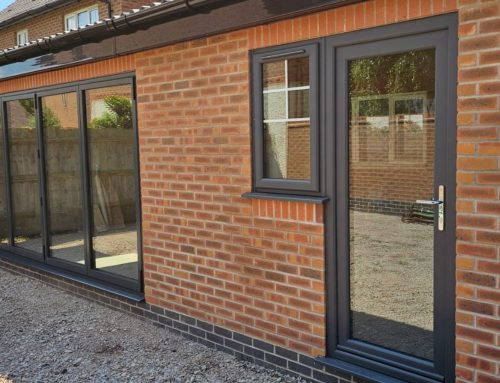
That said, UPVC has come a long way. You’re not just stuck with plain white anymore. There are woodgrain finishes that genuinely do a good job of mimicking timber, along with colours like grey, black, cream, and heritage-style greens. In many cases, once they’re installed, most people don’t even notice the difference from a distance, especially when they’re chosen carefully to suit the property.
Energy efficiency
This is where UPVC typically pulls ahead. The way uPVC casement windows are built means they trap air inside the frame using multiple internal chambers. That helps reduce heat loss and keeps homes warmer for longer.
Timber is a solid material, so it doesn’t have those same insulating pockets built into the frame. It can still perform well, but usually only when it’s paired with higher-spec glazing and a more premium build, which pushes the price up. For most homes, uPVC tends to offer better insulation as standard.
Maintenance
This is one of the biggest differences between timber and UPVC windows. Timber windows need upkeep. That usually means repainting or re-varnishing every few years, plus keeping an eye out for weather damage over time. If you stay on top of it, they last well but it does require a bit more effort on your end.
UPVC is much simpler. There’s no painting, no sealing, and no real ongoing treatment needed. A basic clean with some warm soapy water every so often is usually enough to keep them looking good. For a lot of homeowners, especially busy households, that difference alone makes the decision for them.
Cost
Timber windows are normally more expensive than UPVC windows. Part of that is the material, but a lot of it comes down to manufacturing time, installation complexity, and the fact they’re often made to order in more traditional ways.
UPVC on the other hand is quicker to produce and install, which keeps costs lower. But it’s not just about the initial price. Timber also tends to come with ongoing maintenance costs, which build up over time. uPVC doesn’t really have that same long-term upkeep requirement, so it often works out more cost-effective overall.
Security
Modern uPVC casement windows come with strong built-in security features as standard, including multi-point locking systems and reinforced frames.
Timber can be secure too, but it often depends more on the specification you choose rather than it being built in as standard. In practical terms, both can be made safe, but UPVC typically includes these without needing upgrades.
Sustainability
Many people assume that timber is the more sustainable choice, but this one is often more balanced than people expect. Timber is renewable, which is its biggest advantage environmentally. If sourced responsibly, it can be a very sustainable option. UPVC used to get a bad reputation here, but modern systems are now recyclable. Old frames can be processed and reused rather than just being thrown away.
It’s not quite as simple as “timber good, plastic bad” anymore. It really depends on sourcing, lifespan, and what happens at the end of the product’s life.
Final thoughts
So, which one should you actually go for? If you want something with traditional character, especially for a period-style home, timber can still be the right choice. It has that natural finish that some people just prefer, and it definitely has its place, especially for listed properties.
But for most homeowners though, UPVC casement windows end up ticking more boxes. They’re more energy efficient, they need far less maintenance, they’re generally more cost-effective, and they’ve come a long way in terms of appearance. Unless you specifically want real wood and don’t mind the upkeep, UPVC is generally the more practical long-term option.
The easiest way to decide is to see both side by side. In the Birmingham Glass showroom, you can compare timber-effect UPVC against real timber frames properly, not just in photos. It makes the differences a lot clearer when you can actually touch, open, and look at them in person.
And whichever route you go down, every window and door we sell comes with a 10-year guarantee, so you’ve got long-term peace of mind either way!
Get in touch with our friendly team to arrange a free, no pressure quote.