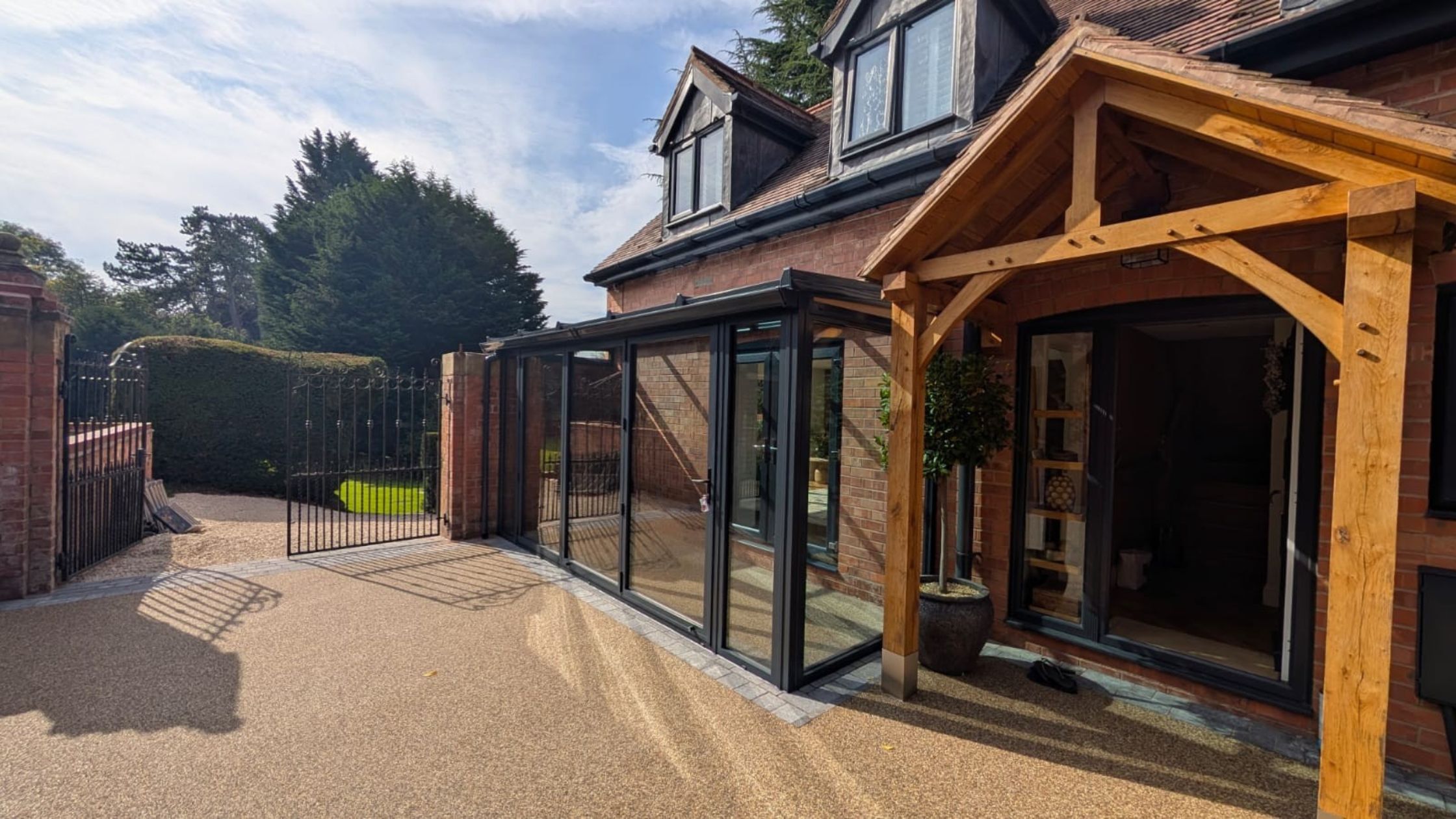
Both aluminium windows and UPVC windows have evolved dramatically over the last decade. What used to be bulky frames and limited colour choices has been replaced with slim profiles, improved thermal performance, and a wide range of finishes in both materials.
From a distance, they can look similar and you may think it doesn’t really matter which one you have installed in your home. But really they perform very differently and the material you choose affects appearance, insulation, durability, cost, and how well your windows suit the character of your home.
If you’re weighing up aluminium versus UPVC windows in 2026, this is the perfect guide for you.
Design and aesthetic appeal
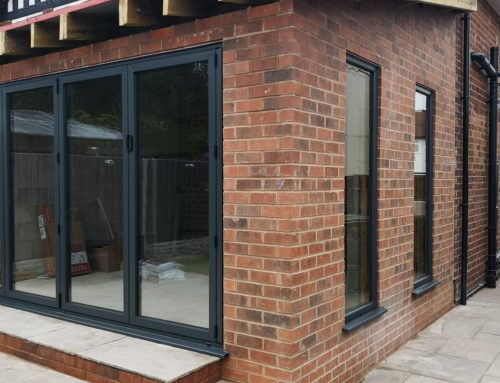
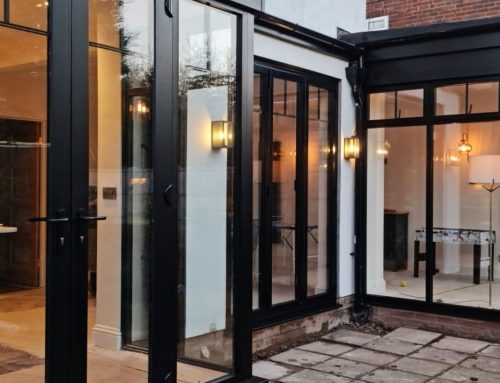
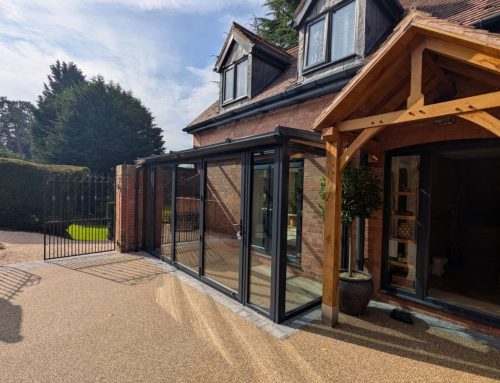
Aluminium is widely seen as the more fashionable option. It’s clean, minimal, and known for ultra-slim sightlines that maximise the glass area. On modern builds or architect-designed properties, it fits naturally. However, it’s not automatically “better”, it’s just different.
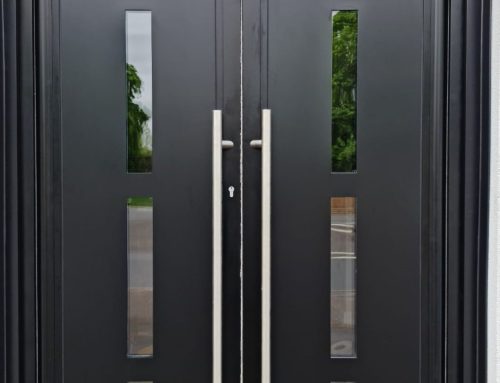
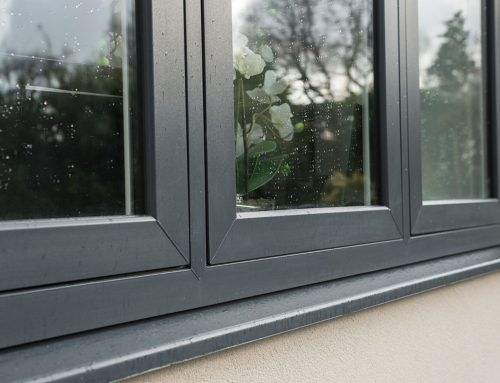
Aluminium has smooth, sharp lines, and you don’t get a grain or textured finish. The look is crisp and uniform, which some homeowners love whereas others feel it looks too industrial or stark.
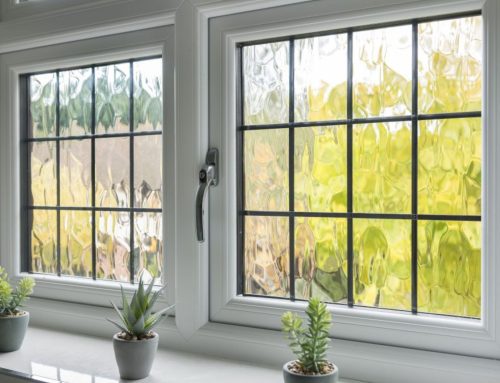
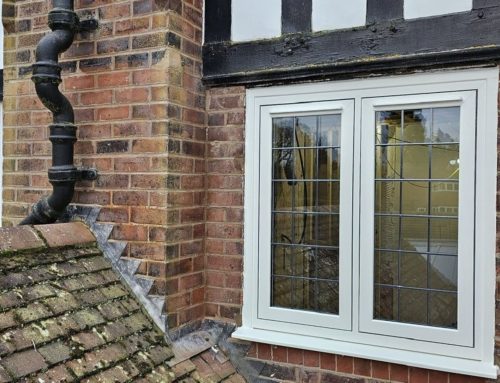
UPVC has improved significantly in recent years. You’re no longer limited to white and nothing else, nowadays you can now choose realistic woodgrain foils, soft matte finishes, and a wide range of colours. For traditional homes, especially period properties, UPVC often blends in more comfortably.
On older homes, aluminium can sometimes look out of place because of its sharp edges and ultra-modern appearance. UPVC tends to suit cottages, terraces, and family houses more naturally, particularly when a timber-style aesthetic is important. Ultimately, this decision comes down to personal taste and how well the window complements the property.
Strength and structural performance
When it comes to structural strength, aluminium does have a bit of an upper hand. Aluminium frames are rigid and highly durable, which means they resist warping and hold their shape well, even under heat or pressure. If you’re planning wide spans of glass or feature glazing, aluminium offers the stability needed to support the weight without flexing over time.
UPVC performs perfectly well in standard-sized casement windows, bays, and most residential applications. But with very large openings, UPVC can experience slight flex, particularly in extreme temperatures – though we don’t see many of them in the UK! For everyday family homes with typical window sizes, UPVC is more than sufficient. For statement glazing or expansive door systems, aluminium often makes more structural sense.
Are aluminium or UPVC windows more energy efficient?
This is one of the most common concerns. Modern aluminium frames now include thermal breaks. These are internal barriers that reduce heat transfer. This means aluminium windows meet current government efficiency standards and are far removed from the cold-feeling metal frames of decades ago.
However, UPVC still performs better on average. UPVC frames are built with multiple internal air chambers that act as insulation pockets. Because the material itself is non-conductive, it naturally retains heat more effectively. Aluminium has improved significantly, but even with thermal breaks, it typically doesn’t match the insulation performance of multi-chambered UPVC.
For homeowners whose biggest concern is achieving the lowest possible U-values and reducing heating costs, UPVC is generally the one to go for.
Maintenance and durability over time
Both materials are low maintenance compared to timber, but it’s worth keeping in mind that they do age differently.
UPVC is pretty forgiving. Minor scratches or scuffs tend to be less noticeable and usually don’t require specialist repair. For busy households, especially with children or pets, this can be a practical advantage. If your home is likely to experience knocks, bumps, or general wear and tear, UPVC can be the more practical choice.
Aluminium is extremely strong structurally and will last a long time. However, its powder-coated finish can show scratches more clearly. If damaged, repairs often involve professional buffing or respraying rather than simple touch-ups. Over time, aluminium frames may show wear more visibly than UPVC, even though the underlying structure remains solid.
Environmental impact and recyclability
Both materials are recyclable, but their environmental profiles differ a little bit.
UPVC often contains recycled material in its manufacturing process, and old frames removed during replacement are typically reprocessed into new products.
Aluminium is also highly recyclable and can be reused repeatedly without losing quality. However, its initial production is energy intensive. Aluminium can be more expensive and take longer to source, but that doesn’t automatically make it the more sustainable option. Environmental impact depends on the full lifecycle, not just the material itself.
Cost and lead times
Price is obviously a big factor, and this is where many homeowners make their final decision. Aluminium windows can cost up to twice as much as comparable UPVC units. The price difference is often significant, particularly on larger projects.
Lead times are also a bit longer. Aluminium systems commonly require several weeks from order to installation, while UPVC units are often available within days. Installation can take longer too, as aluminium systems may require more complex fitting.
If budget and turnaround time are important, UPVC is usually the more accessible option. If design impact and structural performance are your priority, aluminium may justify the additional cost.
Best use cases for each material
Choose aluminium if:
- You want ultra-slim frames and maximum glass area
- You’re installing large sliding doors or bi-fold systems
- Your property is modern or architect-designed
- You live in a high-heat environment where expansion resistance matters
Choose UPVC if:
- You want excellent thermal performance at a lower cost
- You’re fitting standard casement or sash windows
- Your home has a traditional or timber-style aesthetic
- You need something durable and forgiving in a busy family setting
Final thoughts
There’s no universal “best” option. Aluminium and uPVC both perform well in 2026, they simply suit different priorities. The right choice depends on your home’s style, your budget, and what matters most to you: design impact, insulation performance, durability, or speed of installation.
If you have further questions, need more advice, or would like a quote, contact our friendly team today.